Follow Us

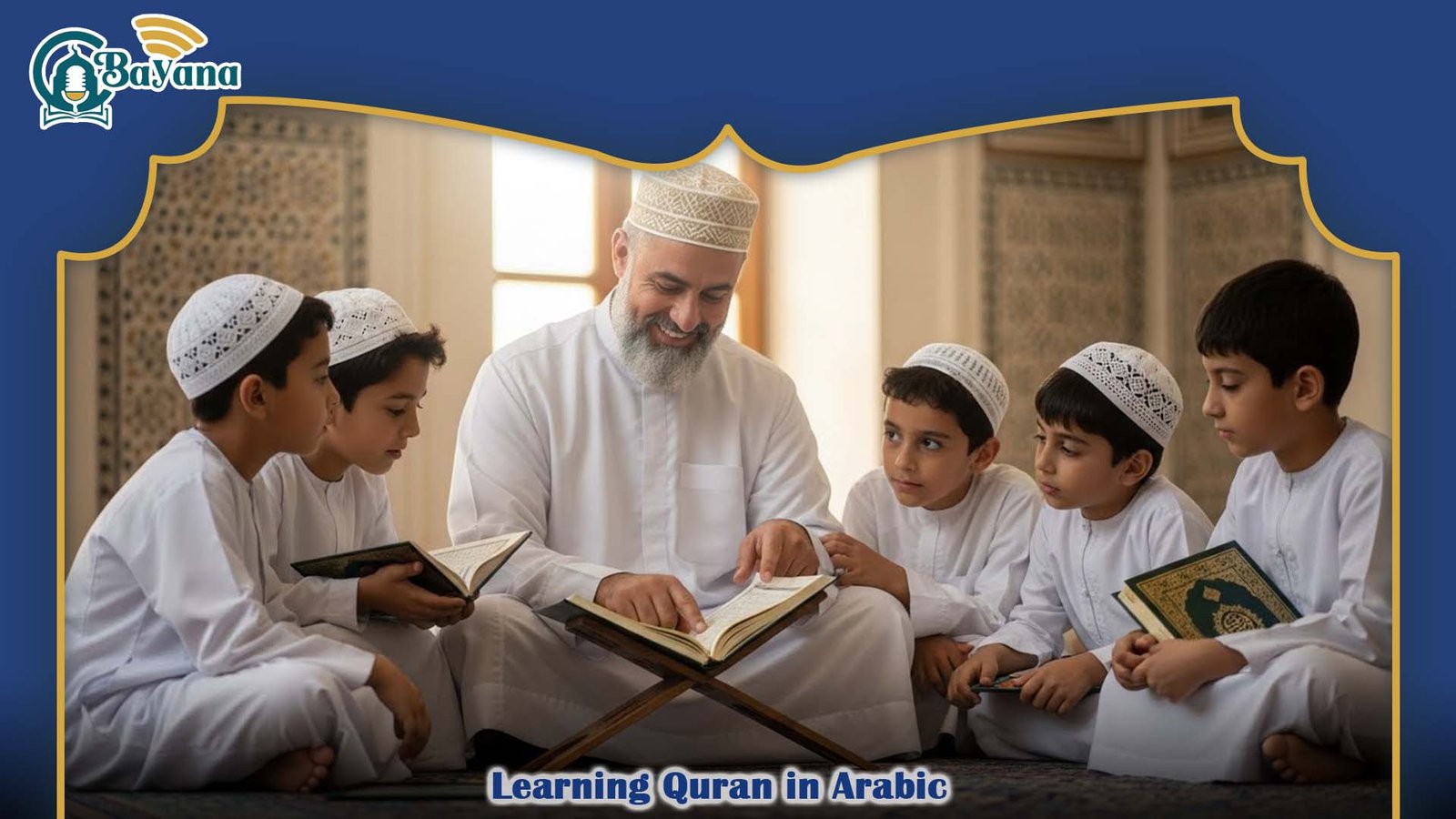
Learning Quran in Arabic – Tips for Effective Study 2026
Learning Quran in Arabic Learning the Quran is one of the most important foundations in a Muslim’s life, as it focuses on understanding the word of Allah and applying it in daily life.
From this perspective, Bayana Quran Academy offers specialized educational programs designed to help students learn the Quran in a structured and modern way, emphasizing correct pronunciation, memorization, and comprehension of its meanings.
This research aims to explore the best methods and approaches for learning the Quran while highlighting the academy’s role in enhancing students’ learning experience, supporting their intellectual and spiritual development.
Mastering Arabic to Unlock the Meaning of the Quran
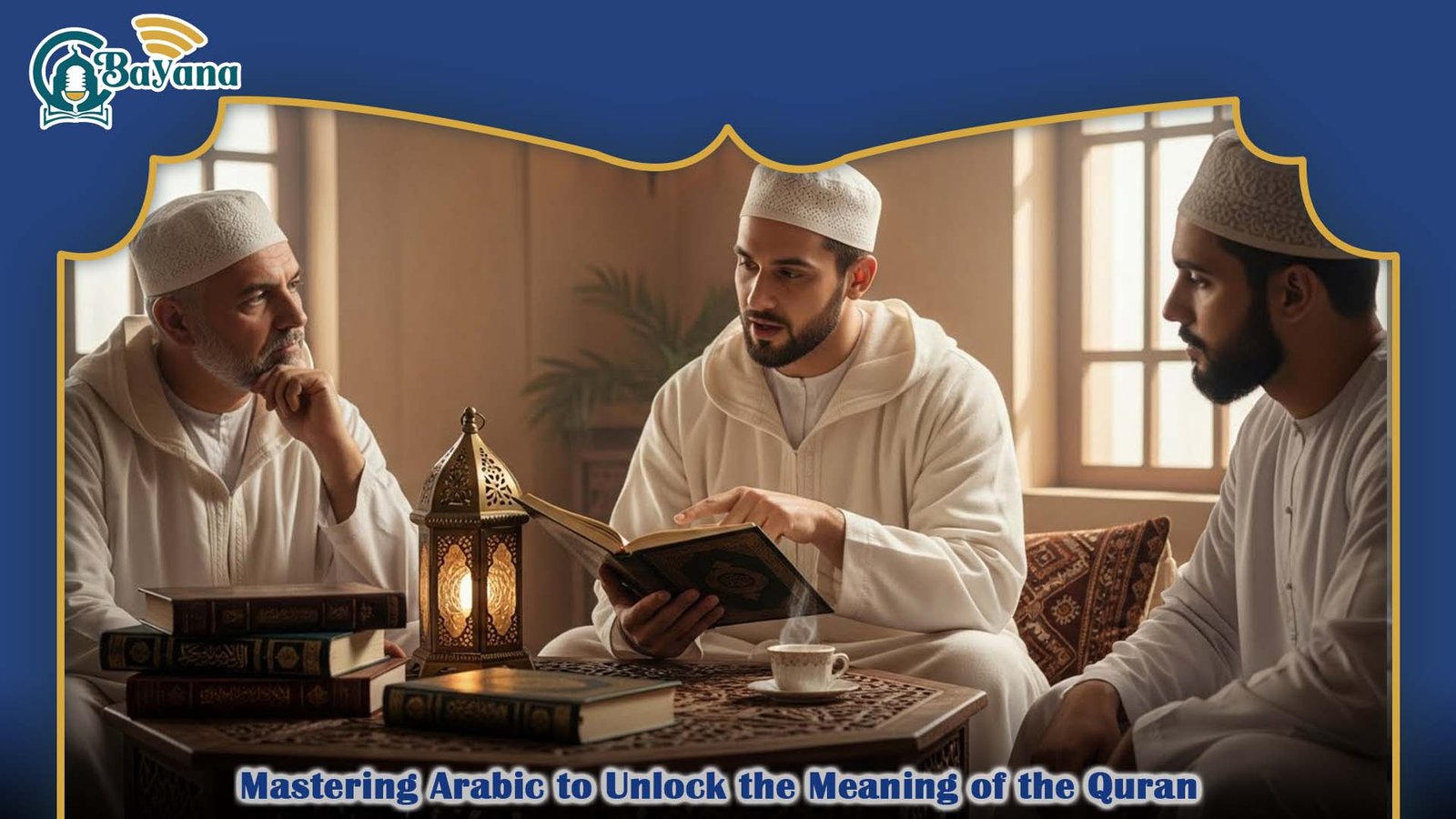
Arabic is the language of the Quran, known for its depth, beauty, and eloquence. Many learners often ask, how can I learn Quran in Arabic effectively to truly understand its spiritual and moral guidance.
While modern Arabic is helpful for general communication, it does not fully equip learners for the nuances of Quranic Arabic. Therefore, anyone serious about learning Quran in Arabic must study classical Arabic grammar, vocabulary, and unique stylistic features.
Beginners frequently wonder, how to learn reading Quran in Arabic, starting with pronunciation, tajweed rules, and short surahs. Step-by-step practice gradually answers the question, how can I learn Quran in Arabic, helping learners develop both confidence and fluency.
For deeper comprehension, students should explore how to learn to read Quran in Arabic with guidance from teachers, tafsir, and scholarly resources. This ensures that those learning Quran in Arabic not only read accurately but also understand the spiritual and literary dimensions of the text.
Studying Quranic Arabic allows learners to connect with the historical and cultural richness of the Quran. Those asking, how can I learn Quran in Arabic will find that knowledge of poetic devices, parallelism, and ellipsis deepens understanding. Focusing on how to learn reading Quran in Arabic ensures precise and expressive recitation, while practicing how to learn to read Quran in Arabic develops fluency over time.
Even students fluent in modern Arabic benefit from structured practice. Listening to recitations, reading aloud, and reviewing translations all support learning Quran in Arabic.
Ultimately, reflection on how can I learn Quran in Arabic, combined with consistent practice of how to learn reading Quran in Arabic and how to learn to read Quran in Arabic, enables learners to engage meaningfully with the Quran and appreciate its full linguistic and spiritual depth.
Online Quran Academy
Bayana Quran Academy offers a unique online learning experience for the Quran, allowing students of all ages to attend lessons conveniently from home. The academy uses modern and structured methods focusing on correct tajweed, memorization, and understanding the meanings of the Quran.
Interactive courses with qualified teachers provide individual support to each student, making learning more effective and enjoyable. The platform also offers flexible scheduling to suit each student’s timetable, ensuring a comfortable and productive learning experience.

Can You Understand the Quran if You Know Arabic?
Learning Arabic is certainly helpful for understanding the Quran, as it was originally revealed in this language. Many learners ask, how can I learn Quran in Arabic to read, pronounce, and comprehend the text accurately. Knowing Arabic allows learners to grasp basic vocabulary, follow sentence structures, and begin learning Quran in Arabic systematically.
However, simply knowing modern Arabic does not guarantee full comprehension of the Quranic message. Quranic Arabic differs significantly from everyday spoken Arabic; it is rich in poetic and rhetorical styles, layered meanings, and expressive structures that require deeper study and interpretation. Beginners often wonder, how to learn reading Quran in Arabic in a way that captures these subtleties.
Even for those fluent in classical or modern Arabic, understanding the Quran completely involves more than language skills. The text contains complex grammatical patterns, subtle stylistic features, and multiple layers of meaning that go beyond literal translation. Those interested in how to learn to read Quran in Arabic benefit from structured guidance, practice, and reference to tafsir (Quranic exegesis).
These linguistic and literary elements contribute to the Quran’s unique depth, beauty, and eloquence. For example, a single word may have multiple meanings depending on the context, and entire verses often employ metaphors, parallelism, and ellipsis, requiring careful analysis. Learners who take their studies seriously often combine learning Quran in Arabic with scholarly resources and teacher guidance.
This approach ensures that students not only learning Quran in Arabic can read accurately, but also appreciate the Quran’s spiritual, moral, and literary dimensions. By exploring methods for how can I learn Quran in Arabic, practicing how to learn reading Quran in Arabic, and refining how to learn to read Quran in Arabic, learners achieve a deeper, more meaningful connection with the Quran.
Unique Features of the Arabic Language in the Quran
The Arabic language in the Quran is unique for its consistency, eloquence, and depth, conveying profound meanings with clarity and beauty. Understanding these features is essential for anyone learning Quran in Arabic.
- Consistency Over Time:
Quranic Arabic has remained unchanged, preserving its structure, rules, and original meanings. This is essential for anyone learning Quran in Arabic. - Conciseness and Depth:
The Quran conveys profound ideas using very few words, requiring careful reflection to grasp full meanings. - Rich Poetic and Rhetorical Styles:
Uses parallelism, metaphors, and repetition to clarify ideas and aid memorization. Understanding these elements benefits learners learning Quran in Arabic. - Complex and Multi-layered Grammar:
Many verses carry multiple meanings that become evident upon deeper study. - Symbolic and Contextual Vocabulary:
Words often have deeper meanings depending on context, which is an important aspect for those learning Quran in Arabic. - Eloquence and Style:
The language blends beauty and rhetorical elegance to reinforce the divine message. - Correct Pronunciation and Tajweed:
Small mistakes can alter meanings, making accurate recitation crucial for anyone learning Quran in Arabic. - Implicit Meanings and Ellipsis:
Some words or phrases are implied, requiring inference from surrounding text for full understanding. - Sacredness and Spiritual Character:
The rhythm, beauty, and eloquence of Quranic Arabic make recitation an act of worship, inspiring reflection and reverence.
Challenges of Learning Arabic to Understand the Quran
Learning Arabic to understand the Quran comes with unique challenges, including complex grammar, multiple word meanings, and distinct pronunciation rules. Overcoming these difficulties is essential for anyone serious about learning Quran in Arabic.
- Importance of Correct Pronunciation:
Even a small mistake can change the meaning of a word or verse. Mastery of pronunciation is essential for anyone learning Quran in Arabic. - Complex Grammar:
Quranic Arabic patterns differ from Modern Standard Arabic, requiring understanding of older grammatical rules. This can be challenging for learners learning Quran in Arabic. - Multiple Meanings of Words:
Words often have several meanings, and context determines the correct interpretation. Beginners need careful study to avoid mistakes. - Poetic and Rhetorical Styles:
Deep analysis is needed to grasp the full meaning of verses, including ellipsis and implied meanings, which require inferring from surrounding text. - Difference from Daily Arabic:
Quranic Arabic differs from everyday spoken Arabic, making it harder for learners accustomed to modern usage. - Absence of Diacritical Marks in Some Texts:
Missing vowel marks increase the difficulty of pronunciation and comprehension for learners learning Quran in Arabic. - Persistence and Guidance:
Consistent practice and guidance from experienced teachers help overcome challenges, making learning Quran in Arabic a rewarding and meaningful journey.
Effective Tips for Learning Arabic to Understand the Quran
Learning Arabic is essential for a deeper understanding of the Quran. By focusing on foundational grammar, vocabulary, and pronunciation, anyone can make meaningful progress in learning Quran in Arabic and connecting with its true meanings.
- Start with the Basics:
Learn simple grammar rules, common vocabulary, and correct pronunciation. A solid foundation is essential for learning Quran in Arabic effectively. - Use an Arabic Dictionary:
Explore word roots, tenses, and deeper meanings. This helps you understand the subtleties of the language and supports better comprehension when learning Quran in Arabic. - Immerse Yourself in Quranic Arabic:
Listen to Quranic recitations regularly to improve pronunciation, rhythm, and intonation. Reading along with recitations strengthens understanding and makes learning Quran in Arabic more natural. - Learn with a Native Speaker:
Working with a fluent Arabic speaker provides guidance, accurate pronunciation, and deeper insights into language nuances. This accelerates progress in learning Quran in Arabic. - Practice Daily:
Speak, read, and write in Arabic consistently. Even simple exercises help. Reading stories, articles, or newspapers expands vocabulary and reinforces learning. - Study Tafsir and Context:
Learn the historical, cultural, and religious background of verses. Understanding context deepens comprehension beyond literal translation. - Combine Methods:
Mix listening, reading, speaking, and contextual study for effective and consistent learning. Integrating multiple approaches strengthens your ability to understand and connect with the Quran. - Stay Consistent and Patient:
Progress in Arabic takes time and effort. Daily engagement, review, and practice ensure steady improvement in learning Quran in Arabic.
Resources for Learning and Practicing Quranic Arabic
Learning a new language can be challenging, but with the right resources, the journey becomes enjoyable and rewarding. For anyone serious about learning Quran in Arabic, there are multiple tools and strategies to make the process more effective.
- Educational Courses: Start with beginner-friendly courses that focus on grammar, vocabulary, and pronunciation. Structured lessons help learners build a solid foundation for learning Quran in Arabic.
- Reliable Translations: Trusted translations can aid understanding while gradually improving Arabic skills. They allow learners to follow the meaning of verses without losing focus on language development.
- Arabic-English Dictionaries: Dictionaries are essential for expanding vocabulary and understanding the deeper meanings of Quranic words. They are particularly useful for learners learning Quran in Arabic, as many words carry multiple layers of meaning depending on context.
- Listening to Recitations: Following experienced Quranic reciters enhances pronunciation, rhythm, and comprehension. Listening regularly reinforces what is learned and strengthens fluency in learning Quran in Arabic.
- Interactive Apps and Exercises: Digital tools allow learners to practice reading verses or chapters, focus on memorization, and improve both understanding and fluency.
- Communities and Group Lessons: Joining study groups or online communities offers opportunities to interact with other learners, exchange tips, and receive support throughout the learning journey.
By combining these resources—courses, dictionaries, translations, recitations, apps, and communities—anyone learning Quran in Arabic can progress effectively while enjoying the process. These tools make mastering Quranic Arabic accessible and engaging, helping learners connect more deeply with the text.
Beginner’s Guide to Reading and Understanding Quranic Arabic
Starting with the basics is essential for anyone learning Quran in Arabic. Begin by learning the Arabic alphabet and its sounds. Practice writing each letter and pronouncing it aloud to become comfortable with the fundamentals of the language.
- Use Flashcards: Create flashcards with Arabic words and their meanings. Review them regularly to strengthen your vocabulary. Adding example sentences can help you understand the context in which words are used, making it easier to remember and apply them while learning Quran in Arabic.
- Read Aloud: Reading Quranic verses aloud improves pronunciation and comprehension. Focus on correctly pronouncing each word, as well as maintaining the proper rhythm and melody. This practice also helps internalize the structure of Quranic Arabic.
- Listen to Recitations: Following experienced reciters enhances pronunciation and helps you grasp the correct intonation and flow of the text. Listening regularly reinforces what you learn and builds confidence in reading aloud.
- Seek Guidance from a Teacher or Mentor: Joining a course or working with a knowledgeable instructor provides valuable feedback and personalized tips. A mentor can correct mistakes, explain difficult concepts, and guide you on effective study methods.
Remember, building vocabulary and mastering pronunciation takes time. Be patient with yourself, practice consistently, and combine these techniques for the best results. With dedication, anyone learning Quran in Arabic can gradually improve their reading, understanding, and connection to the text.
Benefits of Reading the Quran in Arabic
Reading the Quran is not only an act of worship but also a direct connection between a person and God. Reading it in its original language, Arabic, opens up an entirely new world of understanding and appreciation. For anyone learning Quran in Arabic, engaging with the text directly provides benefits that translations alone cannot convey.
- Direct Connection to the Words of God:
Reading in Arabic allows a more intimate and immediate connection with the divine message, creating a sense of spiritual closeness. - Deeper Understanding of Meaning and Beauty:
Experiencing the Quran in its original language helps readers grasp the richness, elegance, and depth of its message. It reveals layers of meaning that may be lost in translation, making learning Quran in Arabic an essential step for a fuller comprehension. - Enhanced Understanding of Islam and Islamic Culture:
Reading in Arabic improves general knowledge of Islamic teachings, history, and cultural context. It lays the groundwork for exploring classical texts, including tafsir (Quranic exegesis) and hadith studies. - Better Memorization:
Understanding the correct pronunciation, rhythm, and intonation facilitates memorization and retention of verses. - Spiritual Benefits:
Engaging with the Quran in its original form offers profound spiritual rewards, fostering reflection, mindfulness, and connection to faith in ways that translations cannot fully replicate.
In short, reading the Quran in Arabic provides linguistic, intellectual, and spiritual advantages. For anyone dedicated to learning Quran in Arabic, it is a journey that deepens faith, enhances understanding, and strengthens the connection to the divine message.
Steps to Learn Arabic Effectively

Learning Arabic effectively requires a clear and structured approach, especially for those learning Quran in Arabic. The first and most important step is to master the letters of the Arabic alphabet and their correct pronunciation. Each letter has a unique sound, and practicing these sounds repeatedly ensures accurate reading and recitation.
Proper pronunciation is essential not only for understanding words but also for grasping the rhythm and melody of the Quran. This foundational step is critical for anyone committed to learning Quran in Arabic.
Another essential strategy is to listen frequently before attempting to speak. Exposure to spoken Arabic and Quranic recitations by skilled reciters helps learners internalize correct sounds, intonation, and flow.
Regular listening trains the ear, improves pronunciation, and enhances overall comprehension. This method is particularly effective for those learning Quran in Arabic, as it connects the act of listening with accurate speaking and recitation.
While grammar is an important part of learning Arabic, focusing solely on rules can slow progress. A balanced approach, combining grammar with practical language use—reading, writing, and speaking—is much more effective. Practicing words and simple sentences helps learners apply what they have learned and gradually build confidence.
Finally, start practicing the language as early as possible. Using simple words and phrases from the beginning accelerates fluency and strengthens understanding. By combining these steps—mastering letters, listening, balancing grammar, and early practice—anyone learning Quran in Arabic can develop a strong foundation, improve reading skills, and deepen their connection with the Quran.
Frequently Asked Questions (FAQ) about Learning Quran in Arabic
This section addresses common questions about learning the Quran in Arabic, including methods, online courses, memorization, and understanding meanings. It helps students and parents get clear guidance for an effective learning journey
1.What is the best age to start learning the Quran in Arabic?
Children can start as early as 4–5 years old, but adults can begin at any age.
2.Do I need to know Arabic before learning the Quran?
No, beginners can start with pronunciation and gradually understand meanings.
3.How long does it take to memorize the Quran?
The duration varies depending on age, dedication, and study routine; it can take a few years.
4.Can I learn the Quran online?
Yes, many academies, including Bayana Quran Academy, offer online courses with qualified teachers.
5.What methods are used to learn the Quran in Arabic?
Methods include tajweed rules, repetition, listening to recitations, understanding meanings, and interactive lessons.
6.Is it necessary to understand the meaning of every verse while learning?
Understanding meaning is important, though initial focus is often on correct pronunciation and memorization.
7.How often should I study the Quran?
Daily practice, even for 15–30 minutes, is recommended for steady progress.
In conclusion, Learning Quran in Arabic: Learning the Quran in Arabic is not only a spiritual journey but also an educational one that shapes character and understanding. Bayana Quran Academy plays a vital role in facilitating this process through structured programs, focusing on correct pronunciation, memorization, and comprehension.
This research highlights the importance of effective teaching methods and modern approaches in making Quranic learning accessible and engaging for students of all ages. Ultimately, mastering the Quran empowers individuals with knowledge, guidance, and a deeper connection to their faith, while fostering lifelong learning and personal growth.
read also:
Arabic Lessons Near Me – Find Local Classes Easily 2026