Follow Us

Empowering Journey: Learn to Read Quran Easily in 2025
Learn to read Quran with bayana quran and embark on a meaningful journey toward spiritual growth and a deeper connection with the words of Allah. Whether you’re starting from the basics or aiming to improve your recitation, bayana quran expert guidance, flexible learning options, and a supportive environment tailored for learners of all levels.
With dedication and the right support, you can begin to unlock the beauty and wisdom of the Quran in its original language.
How Can a Beginner Learn to Read Quran?
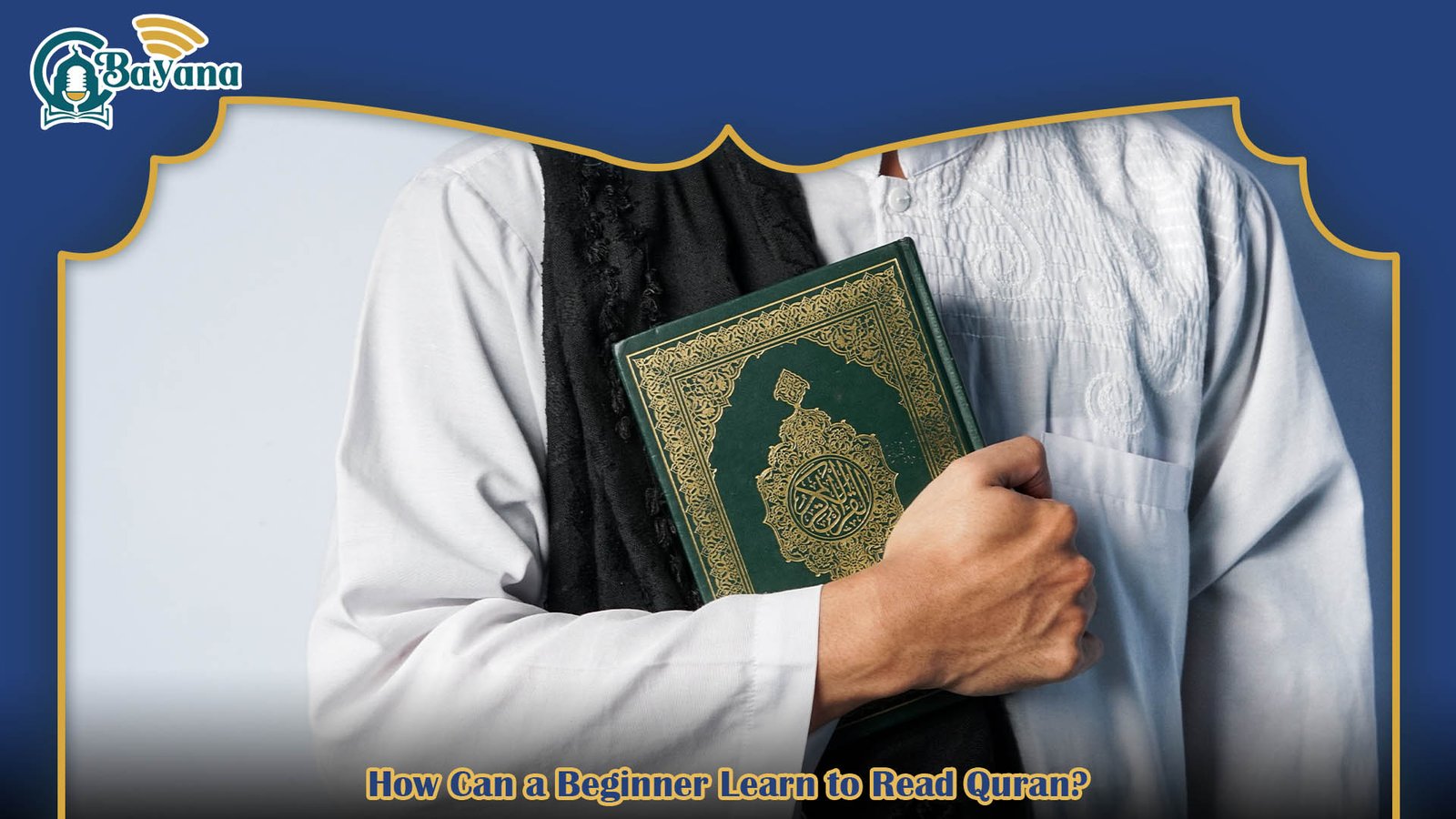
Starting to learn to read Quran can seem challenging at first, but with the right guidance and consistent practice, anyone can develop strong recitation skills. This guide will help you take the essential first steps on your Quranic learning journey.
Find the Right Teacher to Guide You
The Quran was initially revealed as an oral message before it was documented in writing. The Prophet Muhammad ﷺ and his Companions learned the Quran through direct oral transmission, memorizing it by heart. Allah commands us in the Quran:
“So when We have recited it, then follow its recitation.”
(Surah Al-Qiyamah, 75:18)
The Prophet ﷺ regularly recited the Quran with Angel Jibril, especially during Ramadan:
“Jibril used to meet him every night in Ramadan and recite the Quran with him.”
(Sahih Al-Bukhari)
Traditionally, Muslims gather in groups for Tadarus Al-Quran, where they recite and learn together. While today we can access recorded recitations and online videos, the best method to learn to read Quran is through direct guidance from a qualified teacher, following the example of the Prophet ﷺ and his Companions.
In many places, including Singapore, certified teachers are available to support learners even during the pandemic. As a starting point, beginners should focus on mastering Surah Al-Fatihah, which is essential in daily prayers.
Focus on Learning Proper Recitation, Not Just Completing the Quran
The primary goal should be to learn correct pronunciation and understand the rules of Tajweed, rather than rushing to complete the entire Quran. Many beginners use popular learning methods such as:
- Qa’idah Baghdadiyyah
- Iqra
- Tilawati
- Ar-Ruh Al-Amin
A skilled teacher helps identify pronunciation mistakes, teaches proper Tajweed, and sharpens recitation skills.
Beginners should avoid reading the Quran straight from beginning to end, as it is not arranged chronologically. Instead, start with shorter Surahs, known as Al-Mufassal, which are easier to learn and understand. These Surahs, mostly revealed in Makkah before the Hijrah, cover fundamental Islamic beliefs and provide a strong foundation.
Maintain Self-Determination and Consistency
Challenges are normal when learning to read the Quran. It’s important for learners to seek help from their teachers and remain committed to their studies.
Practice Regularly Using Recordings
Review lessons through video or audio recordings and practice frequently to improve fluency.
Choose the Best Times for Recitation
The optimal times to recite the Quran are after the Fajr (Subuh) prayer, at night, and also between Maghrib and Isha prayers.
Find a Support System
Family support is invaluable. Learning Quran together strengthens family bonds and offers parents an opportunity to grow spiritually while guiding their children.
By following these steps and seeking proper guidance, anyone can confidently learn to read Quran and develop a meaningful connection with the Holy Book.
Begin Your Quranic Journey with Bayana Quran
Enhance your relationship with the Holy Quran and gain a deeper understanding of Islamic teachings through Bayana Quran. Our platform offers flexible online classes, guided by experienced instructors and supported by a curriculum rooted in authentic Islamic knowledge—allowing you to learn with clarity, consistency, and confidence.
Embark on your Quranic journey today with Bayana Quran, and take meaningful steps toward spiritual development, stronger faith, and a lifelong commitment to learning.

What Are the Benefits of Reading the Quran?
The word Quran itself means “recitation,” and reciting it—regardless of one’s level of understanding—is considered a deeply rewarding act of worship in Islam.
The Prophet Muhammad ﷺ said:
“Whoever recites a letter from the Book of Allah, he will receive one reward for it, and that reward will be multiplied tenfold. I do not say that ‘Alif-Lam-Mim’ is one letter, but Alif is a letter, Lam is a letter, and Mim is a letter.”
(Sunan At-Tirmidhi)
This hadith highlights the immense spiritual reward even in reading a single letter of the Quran. For those who are still struggling and putting in effort to improve their recitation—such as individuals enrolled in a Quran reading course or trying to learn Quran with Tajweed—there is additional encouragement and reward.
Another hadith reinforces this:
“The one who is proficient in reciting the Quran will be with the noble and righteous angels. As for the one who reads it with difficulty, stumbling through its verses, he will receive double the reward.”
(Sahih Muslim)
Whether you’re trying to learn to read Quran for beginners, or taking the next step to learn to read Quran online, the rewards are abundant for every sincere effort made. Regular recitation not only earns spiritual merit but also brings peace, discipline, and a deeper connection to the words of Allah.
No matter your starting point, striving to learn Quran reading brings continuous blessings—especially when done consistently and with devotion.
Read also: quran arabic lessons
What Other Rewards Are There for Reciting the Quran?
The rewards for reciting the Quran are countless, and they extend far beyond what we can imagine. Here are some of the most profound blessings mentioned in the Qur’an and Hadith:
Intercession on the Day of Judgment
The Quran will intercede for its reciter on the Day of Resurrection. The Prophet Muhammad ﷺ said:
“Recite the Quran, for it will come as an intercessor for its reciters on the Day of Judgment.”
(Sahih Muslim)
Unimaginable Rewards and Divine Favor
Those who recite the Quran regularly, perform prayer, and give charity sincerely are promised abundant rewards and blessings. Allah says:
“Surely those who recite the Book of Allah, establish prayer, and give out of what We have provided them—secretly and openly—can hope for a trade that will never fail. He will give them their full rewards and even increase them out of His grace. Indeed, He is All-Forgiving, Most Appreciative.”
(Surah Fatir, 35:29–30)
Peace, Mercy, and the Presence of Angels
Gathering to read and study the Quran brings tranquility and divine mercy. The Prophet ﷺ said:
“No group gathers in one of the Houses of Allah to recite and study the Book of Allah together except that tranquility descends upon them, mercy covers them, angels surround them, and Allah mentions them among those who are with Him.”
(Sahih Muslim)
Learn more: tajweed rules
Is There Any Etiquette to Observe When Reading the Quran?
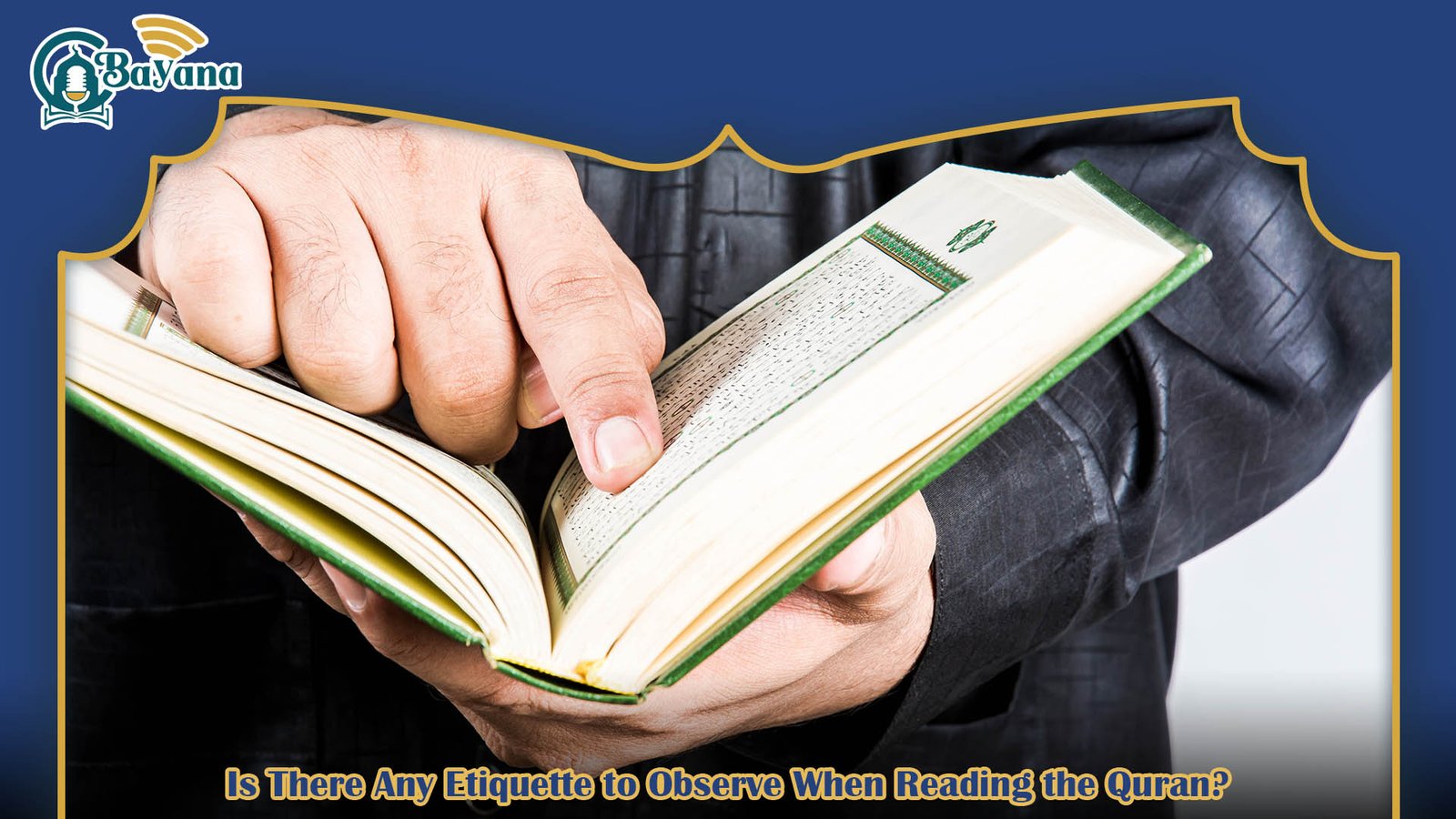
Absolutely. The Quran holds a highly honored status in Islam, as Allah describes it:
“Indeed, it is truly a noble Quran.”
(Surah Al-Waqi’ah, 56:77)
Because of its noble and central role in our faith, there are essential etiquettes that every Muslim—especially those who are beginning to learn to read Quran—should observe. These etiquettes not only show respect but also help deepen our understanding and connection with the words of Allah.
1. Begin with Isti’azah and Bismillah
Before starting your recitation, it is recommended to seek protection from Satan by reciting A’udhu billahi min ash-shaytan ir-rajim. This is based on the command in the Quran:
“So when you recite the Quran, seek refuge with Allah from Satan, the accursed.”
(Surah An-Nahl, 16:98)
It is also the Sunnah to begin with Bismillah at the start of each Surah, except for Surah At-Tawbah. As Imam An-Nawawi emphasized, beginning with Bismillah reflects reverence and mindfulness.
2. Maintain a State of Spiritual Purity (Wudhu)
While it is permissible to learn to read Quran or recite it without Wudhu, it is highly recommended to be in a state of purification. The Prophet ﷺ would often recite Quran after relieving himself, as long as he wasn’t in a state of major impurity (Janabah). However, holding a physical Mushaf (Quran copy) does require Wudhu—unless it is a translation or contains more commentary than Quranic text.
3. Recite with Clarity and Reflection (Tartil)
One of the most important etiquettes is to recite the Quran clearly and at a measured pace. Allah says:
“And recite the Quran slowly and distinctly.”
(Surah Al-Muzammil, 73:4)
This style of recitation, known as Tartil, allows for proper pronunciation, reflection, and deeper engagement with the meanings. Umm Salamah (may Allah be pleased with her) described the Prophet’s recitation as:
“A clear recitation in which each letter was articulated.”
(Sunan An-Nasa’i)
For beginners striving to learn to read Quran, focusing on Tartil and proper pronunciation is essential to build a strong foundation in recitation and Tajweed.
Learn more: learn quran online from home
Frequently Asked Questions about Learn to Read Quran
If you’re beginning your journey to learn to read Quran, it’s normal to have questions about the process, resources, and what to expect. Here are some common questions that can help guide and motivate you.
Can I learn to read the Quran even if I don’t know Arabic?
Yes, many courses are designed for non-Arabic speakers. You’ll start with the Arabic alphabet and gradually build the skills to read Quranic text confidently.
How long does it take to learn to read the Quran?
The time varies depending on your schedule, dedication, and previous experience, but with consistent effort, many learners see progress within a few months.
Do I need a teacher to learn to read the Quran?
While self-study is possible, having a qualified teacher ensures correct pronunciation, especially for Tajweed rules, and helps avoid common mistakes early on.
In conclusion, learn to read Quran is a powerful step toward understanding the message of Allah and strengthening your spiritual connection. No matter your age or background, it’s never too late to begin this journey. With the right guidance, consistent effort, and a sincere heart, you can unlock the beauty and wisdom of the Quran and make it a lasting part of your life.