Follow Us

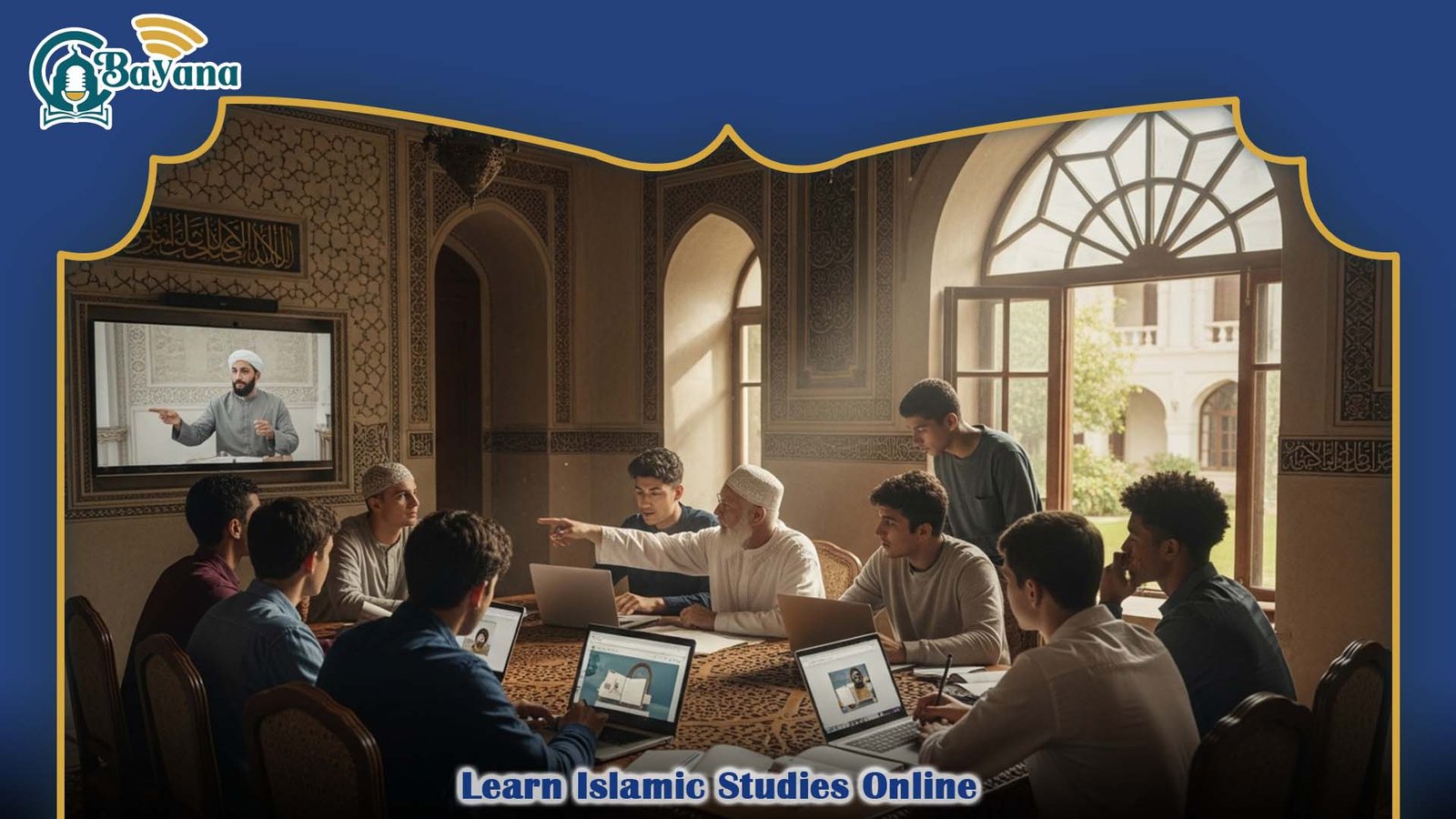
Learn Islamic Studies Online with Simple Lessons 2026
Learn Islamic studies online with Bayana Quran Academy, where students of all ages can access structured and engaging courses designed to provide a comprehensive understanding of Islam.
At Bayana Quran Academy, our programs cover core areas such as Aqeedah (Islamic beliefs), Quranic studies, Hadith, Fiqh, Seerah, and Islamic history.
By enrolling in our online courses, learners can study at their own pace, gain practical knowledge, and deepen their spiritual connection while benefiting from expert guidance and interactive lessons.
Whether you are a beginner seeking foundational knowledge or an advanced learner aiming to specialize, Bayana Quran Academy ensures that you can learn Islamic studies online effectively and meaningfully.
What are Islamic Studies?
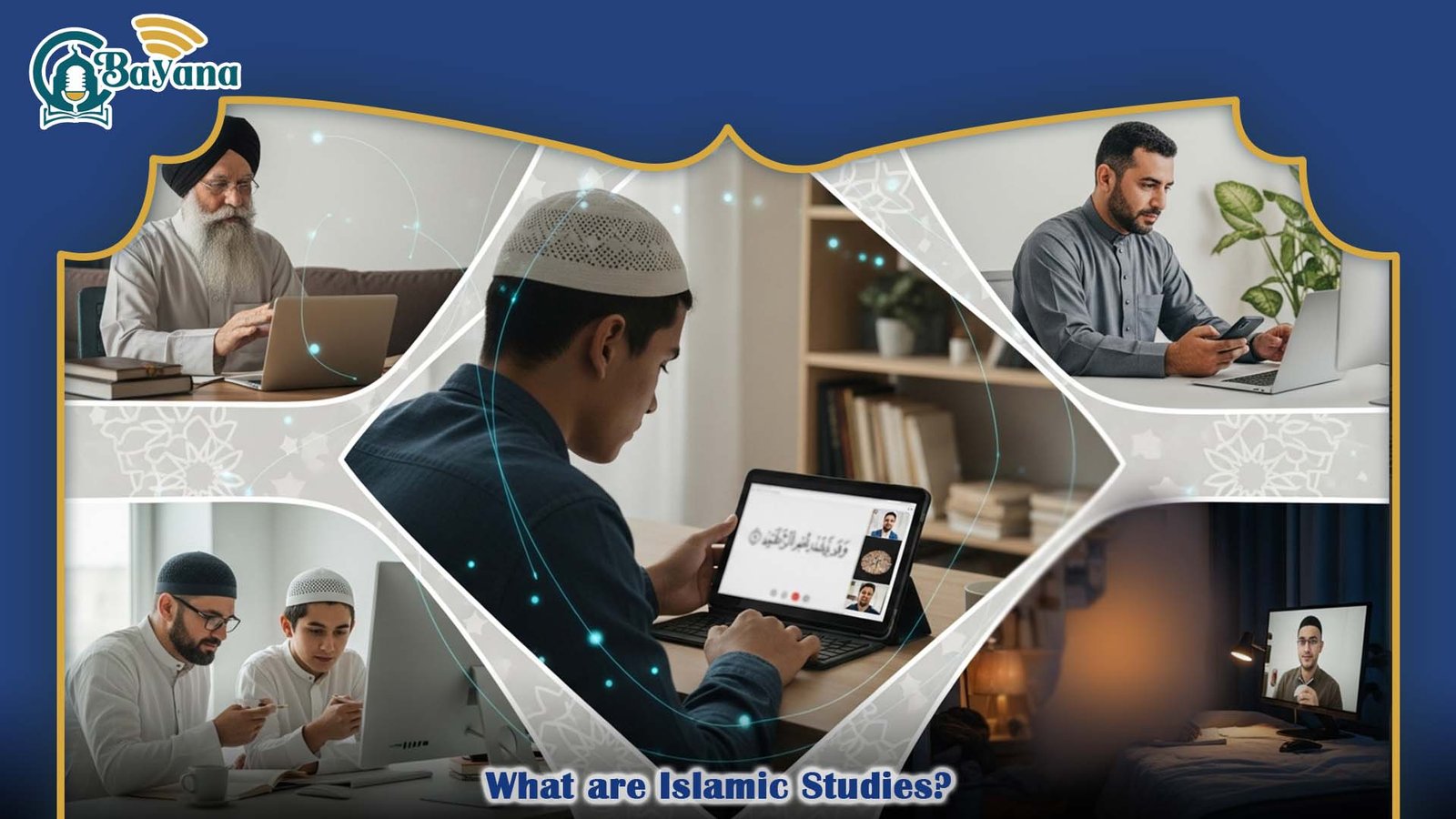
Islamic studies, including the Quran, refer to the comprehensive exploration of Islam, covering its principles, history, practices, and teachings. Studying the Quran provides insight into the spiritual, social, and cultural aspects of Muslim life, while learning about Hadith, Fiqh, and Seerah complements this understanding.
People who want to deepen their knowledge of Islam can explore various ways to engage with its teachings and traditions. One of the most convenient ways to do this today is to learn Islamic studies online, which allows learners to study the Quran and other Islamic sciences at their own pace from anywhere in the world.
The focus of Islamic studies often includes understanding the Quran, the sayings and actions of the Prophet Muhammad, and the development of Islamic law, ethics, and philosophy. Through studying these topics, learners gain a clearer understanding of how Islam shapes personal behavior, community life, and social norms. By choosing to learn Islamic studies online, individuals can access diverse resources such as lectures, articles, and interactive courses that make learning both flexible and accessible.
Moreover, Islamic studies also explores the rich history of Islamic civilizations, including contributions in science, art, literature, and governance. This helps learners see how Islamic values and teachings have influenced societies throughout the centuries. Many people today prefer to learn Islamic studies online because it offers a structured yet adaptable approach, allowing them to balance study with daily life commitments.
For those curious about interfaith dialogue, cultural understanding, or personal spiritual growth, studying Islam is highly valuable. By choosing to learn Islamic studies online, anyone can embark on a journey of knowledge, reflection, and meaningful understanding of one of the world’s major religions.
Online Quran Academy
Bayana Quran Academy offers flexible online programs to help learners connect deeply with the Quran. Students can improve recitation, learn Tajweed, and understand Islamic teachings and principles.
The academy supports learners of all levels, from beginners to advanced students. Interactive lessons and guidance from expert instructors make learning engaging and effective. Through these courses, anyone can learn Islamic studies online conveniently and confidently.

Why Choose Online Islamic Courses?
Knowledge of Islam: Studying Islam means exploring its core ideas and principles, including the Five Pillars of Islam. These pillars—Shahada, Salah, Zakat, Sawm, and Hajj—offer a framework for understanding the beliefs and practices that shape the lives of Muslims globally. One effective way to gain this knowledge is to learn Islamic studies online, which allows learners to study anytime, anywhere.
Shahada (Declaration of Faith): The Shahada is the foundation of a Muslim’s spiritual journey. Sincerely understanding and reciting it marks the beginning of a transformative path. Online courses provide detailed guidance on the significance of the Shahada, making it easier to learn Islamic studies online.
Salah (Prayer): Performing five daily prayers—Fajr, Dhuhr, Asr, Maghrib, and Isha—strengthens the connection between a Muslim and God. Learning the correct method and meaning of Salah is an essential part of Islamic education, which is conveniently available when you learn Islamic studies online.
Zakat (Charity): Zakat emphasizes generosity and social responsibility. By understanding its rules and impact, learners can see how it helps support communities and redistribute wealth effectively.
Sawm (Fasting): Fasting during Ramadan teaches discipline, patience, spiritual growth, and empathy for those in need.
Hajj (Pilgrimage): Hajj represents spiritual purification, unity, and submission to God. Studying its rituals online makes it accessible to anyone preparing for this important journey.
Fiqh, Seerah, and Hadith: Fiqh teaches proper worship and the difference between halal and haram. Seerah explores the life of Prophet Muhammad and his companions, while Hadith studies provide insights into the Prophet’s sayings and actions. Many choose to learn Islamic studies online to gain structured knowledge in these areas.
By choosing online courses, anyone can learn Islamic studies online, combining flexibility with deep understanding, spiritual growth, and a stronger connection to Islamic teachings.
Learning Levels in Online Islamic Studies
Beginner Level: Designed for students with little or no prior knowledge of Islam. At this level, learners are introduced to the basic principles, including Aqeedah (faith), Seerah (life of the Prophet ﷺ), and introductory Quran recitation. This foundation allows students to learn Islamic studies online effectively from the very beginning.
Intermediate Level: Builds upon the basic knowledge and advances students to study Tafsir (Quranic interpretation), Hadith (sayings of the Prophet), and more detailed Islamic historical events. At this stage, learners deepen their understanding and can learn Islamic studies online in a structured and comprehensive way.
Advanced Level: Focuses on Fiqh (Islamic jurisprudence), complex religious rulings, and practical application of Islamic principles. Students at this level gain confidence in applying their knowledge to real-life situations. This level enables learners to learn Islamic studies online with expertise and practical competence.
These learning levels are designed to guide students progressively, ensuring that anyone can learn Islamic studies online from foundational concepts to advanced applications, achieving both knowledge and spiritual growth.
How to Learn Islamic Studies Online Effectively
Learn from the Quran and Sunnah: The Quran and Sunnah are the primary sources for studying Islam online. The Quran is the holy book of Islam, believed to be the direct word of God revealed to Prophet Muhammad through Angel Gabriel. The Sunnah includes the teachings, sayings, and actions of the Prophet, providing guidance in all aspects of life. By studying the Quran and Sunnah, individuals can gain a deep understanding of Islamic beliefs, practices, and ethics, making it easier to learn Islamic studies online effectively.
Follow the Guidance of the Companions and Followers: The Sahabah (companions) and Tabi‘un (followers) were the earliest generations of Muslims who learned directly from Prophet Muhammad. Their understanding and application of Islamic principles serve as a valuable source of guidance for Muslims today. Studying the lives and teachings of the companions and followers provides practical insights into applying Islamic teachings in personal behavior, social interactions, and community involvement, helping learners to learn Islamic studies online in a practical context.
Use Structured Courses: Structured courses provide step-by-step learning paths, combining reading, lectures, and interactive exercises. This approach allows learners to progress at their own pace while gaining comprehensive knowledge. By following these courses, anyone can learn Islamic studies online, building both academic understanding and spiritual growth.
Reflection and Practical Application: Effective learning also involves reflecting on the teachings and applying them in daily life. Practicing what is learned enhances the learner’s ability to learn Islamic studies online meaningfully.
By combining these strategies, learners can study Islam deeply, flexibly, and effectively online.
Core Beliefs and Aqeedah
Students who wish to study Islam start by exploring the core beliefs, known as Aqeedah, which form the foundation of a Muslim’s faith. These include Tawheed, the oneness of God, which emphasizes that there is no deity worthy of worship except Allah. Understanding Tawheed is essential for establishing a correct perspective of God and His attributes.
Another fundamental belief is Prophethood, which teaches that Allah sent prophets to guide humanity. Learning about the life and mission of Prophet Muhammad and other prophets provides insight into how divine guidance has been delivered throughout history. The Day of Judgment is also a crucial aspect of Aqeedah, reminding believers of accountability, justice, and the eternal consequences of their actions.
By studying these core beliefs, learners develop a strong foundation in Islamic creed, enabling them to understand and apply other aspects of Islam effectively. Many individuals choose to learn Islamic studies online because it allows them to access structured courses and materials that explain these principles in depth, with examples and guidance to strengthen comprehension. Online study also provides flexibility, allowing learners to review lessons, participate in discussions, and reflect on their learning at their own pace.
Engaging with Aqeedah through online programs helps students internalize their faith, connect beliefs with daily practice, and gain a holistic understanding of Islam. By committing to these studies, anyone can learn Islamic studies online with clarity and confidence, ensuring that their knowledge of Islam is both authentic and practical. For those serious about understanding the religion deeply, structured online learning is an effective way to learn Islamic studies online while building spiritual growth.
Seerah of Prophet Muhammad ﷺ (The Life of the Prophet)
Learn about the life of Prophet Muhammad ﷺ, his mission, and his teachings, from his childhood to his role as the final messenger of God. Studying the Seerah provides valuable insights into his character, actions, and the challenges he faced while spreading the message of Islam. By exploring his life, learners can learn Islamic studies online with a deeper understanding of how his guidance shaped the spiritual, social, and moral framework of the Muslim community.
The Seerah also illustrates practical lessons in leadership, patience, and moral integrity. By examining the Prophet’s interactions with his companions, family, and the wider society, students gain models for ethical behavior and community engagement. Many people choose to learn Islamic studies online to access structured materials, including stories, timelines, and analyses that make it easier to follow the Prophet’s life comprehensively.
Engaging with the Seerah encourages reflection and application of the Prophet’s teachings in daily life. Through detailed study, learners can see how principles of justice, compassion, and devotion were implemented, helping them learn Islamic studies online in a practical and meaningful way. Additionally, understanding the Prophet’s challenges and triumphs inspires personal growth and resilience in modern contexts.
For those committed to a thorough understanding of Islam, studying the Seerah allows them to learn Islamic studies online while connecting historical knowledge with spiritual and ethical development, making it an essential part of any comprehensive Islamic education.
Mastering Quran Recitation Online Effectively
Developing fluency in reciting the Quran is an essential part of Islamic studies. This includes learning the rules of Tajweed to ensure correct pronunciation of Arabic letters and proper recitation. Mastering Quranic recitation helps learners connect deeply with the text and understand its rhythm, meaning, and spiritual impact. Many students choose to learn Islamic studies online to access structured lessons, audio guidance, and interactive practice that support accurate and confident recitation.
Learning to recite the Quran properly also strengthens memorization, enhances focus during prayer, and fosters a closer spiritual connection. By practicing consistently, learners can internalize the beauty and depth of the Quranic text while improving their linguistic skills. Online programs allow students to learn Islamic studies online at their own pace, revisiting lessons and practicing difficult passages until mastery is achieved.
Engaging in Quranic recitation encourages reflection on the meanings and teachings of the Quran, allowing learners to implement its guidance in daily life. By combining theoretical understanding with practical recitation, anyone can learn Islamic studies online effectively while building both knowledge and spiritual growth.
For those committed to mastering the Quran, focusing on correct recitation through online study provides an accessible, flexible, and comprehensive approach to learn Islamic studies online, ensuring the teachings are both understood and applied correctly.
Islamic History and Key Events
Studying Islamic history is an essential part of understanding the development of the Muslim world. Students begin by learning about the early Islamic state, exploring how Islam spread rapidly across the Arabian Peninsula and beyond. This period includes the life of Prophet Muhammad ﷺ, his mission, and the challenges he faced while establishing the foundations of the religion.
After the Prophet’s passing, the era of the Rightly Guided Caliphs—Abu Bakr, Umar, Uthman, and Ali—provides crucial insights into leadership, governance, and the consolidation of Islamic principles in society. Their rule highlights the importance of justice, consultation, and adherence to Islamic law. Learning about the caliphs helps students understand how early Muslims implemented religious teachings in governance and community life.
Major events such as battles, treaties, and the expansion of Islamic territories are studied to provide context for the growth of the Muslim community and its cultural, political, and social impact. Understanding these historical events allows learners to appreciate the achievements and challenges faced by early Muslims.
Many individuals choose to learn Islamic studies online to access structured lessons, timelines, and interactive content that make Islamic history more accessible. Studying history online allows learners to progress at their own pace while reflecting on the lessons derived from past events.
By examining Islamic history, learners gain a deeper understanding of the faith’s development, the importance of leadership, and the principles that guided early Muslim communities. This knowledge helps anyone learn Islamic studies online with a comprehensive perspective, connecting historical insights with modern-day applications.
Studying Islamic history is not only about memorizing dates; it’s about understanding the growth, struggles, and successes of the Muslim community, helping learners learn Islamic studies online meaningfully and contextually.
Our Online Islamic Studies Curriculum
A comprehensive and balanced curriculum has been developed to ensure that students of all ages gain a thorough understanding of Islam by the end of the course. The curriculum includes the following key areas:
Fundamentals of Islam: Introducing the core beliefs, pillars of Islam, and basic principles that form the foundation of a Muslim’s faith. This section helps learners learn Islamic studies online with a solid grounding in essential concepts.
Quranic Studies: Focused on understanding the Quran, its meanings, and proper recitation. Students explore interpretation, key themes, and practical applications to daily life.
Hadith and Sunnah: Studying the sayings, actions, and teachings of Prophet Muhammad ﷺ, enabling learners to understand Islamic guidance comprehensively. This section allows students to learn Islamic studies online through authentic sources and examples.
Islamic Jurisprudence (Fiqh): Covering the principles of worship, law, and daily conduct, helping learners understand what is permissible, prohibited, and recommended according to Islamic teachings.
Specialized Islamic Studies: Advanced topics that include Islamic history, ethics, comparative studies, and other areas for deeper exploration. This section ensures learners can learn Islamic studies online with both breadth and depth.
This structured approach allows learners to progress step by step, gaining knowledge, practical understanding, and spiritual growth. By following this curriculum, anyone can learn Islamic studies online effectively and meaningfully, ensuring a comprehensive grasp of Islamic teachings.
Frequently Asked Questions
Some readers ask many questions about the topic Learn Islamic Studies Online. Here are some of those frequently asked questions:
1.What does it mean to learn Islamic studies online?
Learning Islamic studies online involves studying the principles, teachings, and practices of Islam through structured digital courses. This includes subjects like Aqeedah, Quran, Hadith, Fiqh, Seerah, and Islamic history.
2.Who can learn Islamic studies online?
Anyone interested in understanding Islam can join, whether beginners with no prior knowledge or advanced learners seeking deeper insights. Online courses are suitable for all ages.
2.What are the benefits of learning Islamic studies online?
Benefits include flexible learning at your own pace, access to structured lessons, interactive materials, guidance from experienced instructors, and the ability to study from anywhere in the world.
4.Which topics are usually covered in online Islamic studies courses?
Common topics include the Five Pillars of Islam, Quranic recitation and interpretation, Hadith studies, Islamic jurisprudence (Fiqh), Seerah (life of Prophet Muhammad ﷺ), and Islamic history.
5.Do I need prior knowledge to start?
No. Many online programs are designed with levels: beginner, intermediate, and advanced, so learners can start with foundational knowledge and progress gradually.
6.How can I ensure I’m learning effectively online?
Engage actively with lessons, practice recitation, participate in discussions, reflect on the teachings, and follow structured programs to learn Islamic studies online effectively.
In conclusion, choosing Bayana Quran Academy allows anyone to learn Islamic studies online with clarity, structure, and flexibility.
Our programs are designed to provide a deep understanding of Islamic beliefs, practices, and teachings while fostering spiritual growth and practical application in daily life.
By engaging with expert instructors and interactive lessons, students can confidently advance through beginner, intermediate, and advanced levels.
Whether you aim to strengthen your faith, expand your knowledge, or pursue specialized Islamic studies, Bayana Quran Academy ensures a meaningful and enriching learning experience.
Start your journey today and discover how to learn Islamic studies online in a way that is comprehensive, convenient, and transformative.
Read also:
Quran Memorization Program Online – Master Hifz with Expert Teachers
Join Quran Classes Near Me – Flexible Timings and Expert Tutors