Follow Us

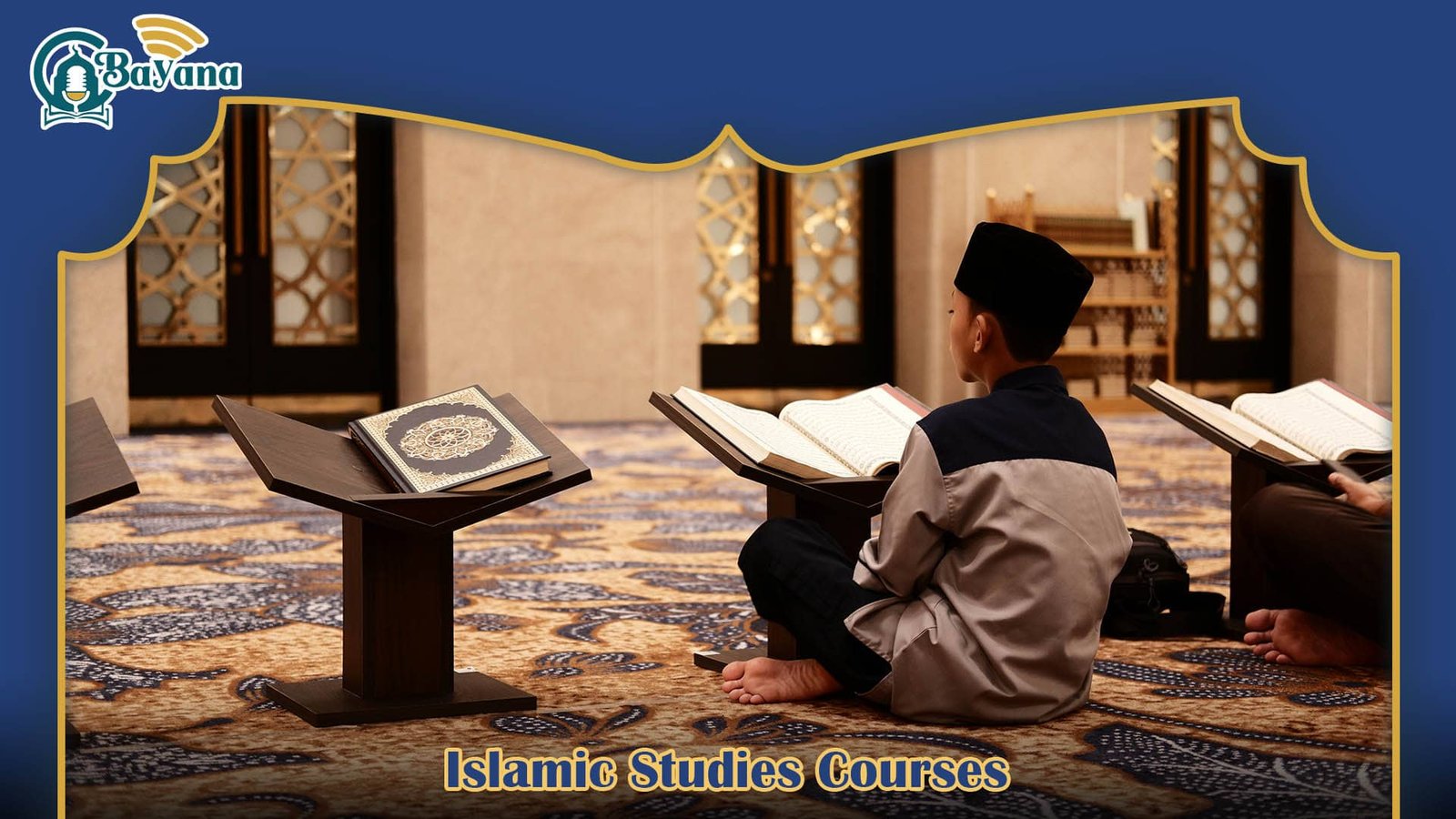
Islamic Studies Courses: How to Choose the Right One
Islamic Studies Courses offered by Bayana Quran provide a comprehensive pathway for learners to deepen their understanding of Islam, its history, principles, and teachings. These courses are designed to equip students with knowledge about the Quran, Hadith, Islamic law (Fiqh), theology (Aqeedah), and the rich heritage of Islamic civilization.
Whether you are a beginner seeking foundational knowledge or an advanced learner aiming to specialize, Islamic Studies Courses from Bayana Quran offer structured learning that connects faith with daily life. They not only enhance spiritual growth but also broaden cultural awareness, making them valuable for students worldwide.
Islamic Studies Courses Curriculum at Bayana Quran
The Islamic Studies Courses at Bayana Quran are carefully designed to provide students from Year 7 to Year 11 with a deep and systematic understanding of essential Islamic sciences. Each subject within the curriculum is structured to strengthen students’ knowledge of their faith while also nurturing their spiritual and personal development. Below is an overview of the key subjects covered in these courses:
Qirat & Tajweed
Qirat and Tajweed focus on teaching students the correct rules and techniques of Qur’anic recitation. Tajweed emphasizes pronunciation, rhythm, and phonetics, ensuring that students recite the Qur’an according to classical standards. Through Qirat, learners build fluency, clarity, and beauty in recitation, enhancing their connection with the holy text.
Qur’an Shareef
In this subject, students explore the meanings and lessons from selected surahs of the Qur’an that are essential for everyday life. The emphasis is on understanding the context, significance, and practical applications of the verses. This enables students to strengthen their bond with the Qur’an and apply its guidance to improve their lives and faith.
Hadith Shareef
Through Islamic Studies Courses, students also engage with the Hadith Shareef, focusing on the teachings and practices of Prophet Muhammad ﷺ. They study selected hadiths that highlight moral values, ethics, and the principles of good conduct. This subject encourages students to adopt qualities such as honesty, kindness, and humility in their daily lives.
Fiqh
Fiqh introduces students to the essentials of worship and Islamic jurisprudence, particularly according to the Hanafi school of thought. Topics such as prayer (Salah), purification (Tahara), fasting (Sawm), and charity (Zakat) are studied in detail. By mastering these, students gain the knowledge to practice Islam accurately and with devotion.
Aqeedah
Aqeedah provides a strong foundation in the core beliefs of Islam, including belief in Allah, His angels, His books, His messengers, the Day of Judgment, and divine predestination. These lessons strengthen students’ theological understanding and shape their Islamic worldview.
Islamic History
The study of Islamic history within these Islamic Studies Courses includes the Seerah of Prophet Muhammad ﷺ, the lives of earlier prophets, and the contributions of the Sahaba. Students explore key events such as revelations, battles, and the formation of the early Muslim community, gaining inspiration and lessons to apply in their own lives.
Start Your Quranic Journey with Bayana Quran
If you wish to strengthen your connection with the Quran and deepen your understanding of Islamic teachings, Bayana Quran is here to guide you. With experienced instructors, flexible online sessions, and a carefully designed curriculum, you’ll be able to learn at your own pace while staying firmly grounded in authentic Islamic knowledge.
Take the step today—join Bayana Quran and begin your path toward spiritual growth, deeper faith, and a lifelong journey of learning.

Why Study Islam?
Islamic Studies Courses at Bayana Quran provide students with authentic and structured Islamic knowledge. These programs are designed for learners who seek personal development, spiritual growth, or a deeper understanding of their faith.
Around 98% of the students are Muslim, which highlights the strong demand for specialized Islamic education. Through these courses, students not only gain religious knowledge but also acquire essential skills such as communication, analysis, and academic writing.
Such skills are highly valuable for undergraduates as they prepare for future careers and professional growth. With over a decade of experience, Bayana Quran has earned a reputation as a trusted provider of Islamic education.
Its Islamic Studies Courses combine classical Islamic knowledge with modern learning approaches, ensuring that students benefit from both tradition and contemporary teaching methods. The programs also encourage peer-to-peer interaction, online learning, and weekly tutorials for deeper engagement.
The curriculum covers a wide range of disciplines, including history, spirituality, language, and theology. Overall, Islamic Studies Courses at Bayana Quran empower students with both faith-based knowledge and transferable life skills that support their personal and professional journeys.
The Fantastic Benefits of Islamic Studies Courses Series
One of the most valuable pieces of advice I ever received about teaching children was surprisingly simple: show enthusiasm and remain consistent. This advice came to me at the very beginning of my homeschooling journey, and over time, I’ve realized just how powerful it truly is. When you are both enthusiastic and consistent, the learning process feels smooth and effortless—like riding a bike downhill—rather than exhausting and overwhelming.
Of course, maintaining enthusiasm and consistency is easier said than done, especially when life gets busy and responsibilities pile up. That’s where structured support makes a huge difference. For me, the one resource that has been most helpful in keeping my energy and motivation alive, even on difficult days, has been the Islamic Studies Courses series.
These courses provide not only a clear framework for teaching but also engaging content that helps both parents and children stay motivated. They offer a structured path to learning that takes away the stress of planning and replaces it with enjoyable, meaningful lessons. With Islamic Studies Courses, teaching Islamic values at home becomes less of a struggle and more of a rewarding journey, ensuring consistency while keeping the learning process enjoyable.
Factors to Consider When Choosing a Course
When selecting a course in the UK to pursue studies as an Alim or Mufti, it is essential to carefully evaluate several factors to ensure you are making the right choice:
1. Accreditation
Always check whether the institution is accredited by reputable universities or recognized bodies in the field of religious studies. Accredited programs guarantee that your studies meet high academic standards and provide credibility to your qualifications. Speaking with alumni can also give valuable insights into the quality of education.
2. Curriculum
Review the syllabus thoroughly to ensure it covers essential topics such as:
- Introduction to Islamic Jurisprudence
- History of Islamic Legal Thought
- Modern Challenges in Islamic Education
A well-rounded curriculum ensures that you gain both traditional knowledge and insights into contemporary issues.
3. Flexibility
Consider your personal lifestyle and commitments when choosing a program. Many universities now offer online Islamic courses, making it easier for students who are working or managing family responsibilities to balance their studies with other aspects of life. Flexibility can be key to completing your studies successfully.
4. Faculty Expertise
Look into the qualifications and experience of the faculty. Esteemed institutions often have scholars and teachers who specialize in various branches of Islamic studies. Learning from knowledgeable and experienced faculty members ensures depth and authenticity in your education.
5. Career Prospects
Think ahead about your long-term goals. Do you aspire to take on leadership roles in Islamic scholarship, or pursue opportunities in teaching, research, or community service? Choosing a course that aligns with your career ambitions will help you achieve your objectives and make your studies more purposeful.
Learn more: quran arabic lessons
9 Reasons Why Islamic Studies Courses Are Important
Education is the foundation of character-building and personal growth. A society made up of well-educated individuals reflects harmony, wisdom, and progress. For Muslim children, the best form of education is one that combines both academic excellence and the values of Islam. This is why Islamic Studies Courses are so essential for nurturing the next generation.
1. Building Strong Foundations of Faith
The first and most important benefit of Islamic Studies Courses is that they provide children with a solid foundation of Islamic beliefs. Parents may not always have complete religious knowledge to pass on, but structured learning in an Islamic environment ensures that children understand Tawheed, the Seerah of the Prophet ﷺ, and the importance of good deeds. When these values are instilled early, children are more likely to grow into practicing Muslims with a strong connection to their faith.
2. Protection from Harmful Influences
In many conventional schools, children are encouraged to celebrate events like birthdays, Halloween, and New Year—occasions that have no place in Islam. These activities can influence young minds to adopt un-Islamic practices. Islamic institutes that offer Islamic Studies Courses avoid such practices by following a curriculum rooted in the Qur’an and Sunnah. This helps children focus on values that strengthen their identity as Muslims.
3. Avoiding Free-Mixing
Free-mixing between boys and girls has become a normalized practice in many schools, but Islam clearly sets boundaries in this matter. Islamic schools that teach Islamic Studies Courses usually have separate classes for boys and girls, ensuring an environment that respects Islamic teachings. This helps children grow with a sense of modesty and discipline that stays with them throughout their lives.
4. Modesty and Dress Code
Many conventional schools enforce a dress code that promotes clothing considered inappropriate in Islam, especially for young girls. Short skirts and immodest uniforms often expose children to unnecessary fitnah. In contrast, Islamic schools encourage modest clothing and the hijab as part of their dress code. Through Islamic Studies Courses, children not only learn the importance of modesty but also practice it daily, building a natural love for hijab and Islamic guidelines.
5. Learning the Correct Aqeedah
With the rise of different sects and cultural interpretations of Islam, it is crucial for children to be guided towards the correct Aqeedah. Enrolling them in schools that offer Islamic Studies Courses ensures that they grow up learning Islam in its pure form, based on the Qur’an and Sunnah. This allows them to stay firm in their beliefs and prevents them from being misled by incorrect teachings.
6. Righteous Environment
Children spend most of their day in school, which makes the learning environment extremely important. When students attend Islamic schools, they are surrounded by teachers and peers who encourage them to pray, read the Qur’an, and practice Islam daily. Over time, these habits become part of their routine. The environment created by Islamic Studies Courses ensures that children grow up in a setting that keeps them away from worldly temptations and closer to Allah ﷻ.
7. Balanced Curriculum
One of the biggest advantages of Islamic Studies Courses is the balance they provide between academic subjects and Islamic learning. In conventional schools, children often lack time to study Qur’an, Tajweed, or Arabic, and parents must send them to extra classes after school. In Islamic institutes, these subjects are built into the curriculum, ensuring students learn both worldly knowledge and religious values without being overburdened.
8. Positive Friendships
The type of friends children make can influence their future in significant ways. In Islamic schools, students grow up with peers who share similar values and beliefs, making it easier to build strong and healthy friendships. This supportive environment created by Islamic Studies Courses helps children avoid negative influences and surround themselves with like-minded companions who encourage them to practice Islam.
9. Shaping Future Choices
When every subject is taught with an Islamic perspective, children grow up understanding how Islam relates to all aspects of life. Through Islamic Studies Courses, students learn to make choices that are aligned with their faith, whether in education, careers, or lifestyle. They become more conscious of choosing halal professions and avoiding paths that contradict Islamic values, preparing them to live as practicing Muslims in adulthood.
In conclusion, Islamic Studies Courses serve as a powerful gateway for anyone seeking authentic knowledge, spiritual growth, and a deeper understanding of Islam. By combining traditional teachings with modern learning methods, these courses not only strengthen faith but also equip students with essential life skills that benefit both their personal and professional journeys.
Whether pursued for personal development, academic goals, or community service, Islamic Studies Courses remain an invaluable investment in building a life rooted in knowledge, values, and purpose.
Read also: https: islamic education