Follow Us


Islamic Learning 2025: Powerful Blessed Path
Islamic learning is a profound and enriching journey that encompasses the study of the Quran, Hadith, and the rich traditions of Islam. One valuable resource in this field is Bayana Quran, which provides accessible and insightful explanations of the Quranic text.
Through platforms like Bayana Quran, learners gain a deeper understanding of their faith, history, and the principles that shape Muslim life worldwide. Islamic learning not only offers spiritual guidance but also fosters personal development, ethics, and social responsibility, making it essential for both individual growth and collective well-being.
Levels of Islamic Education
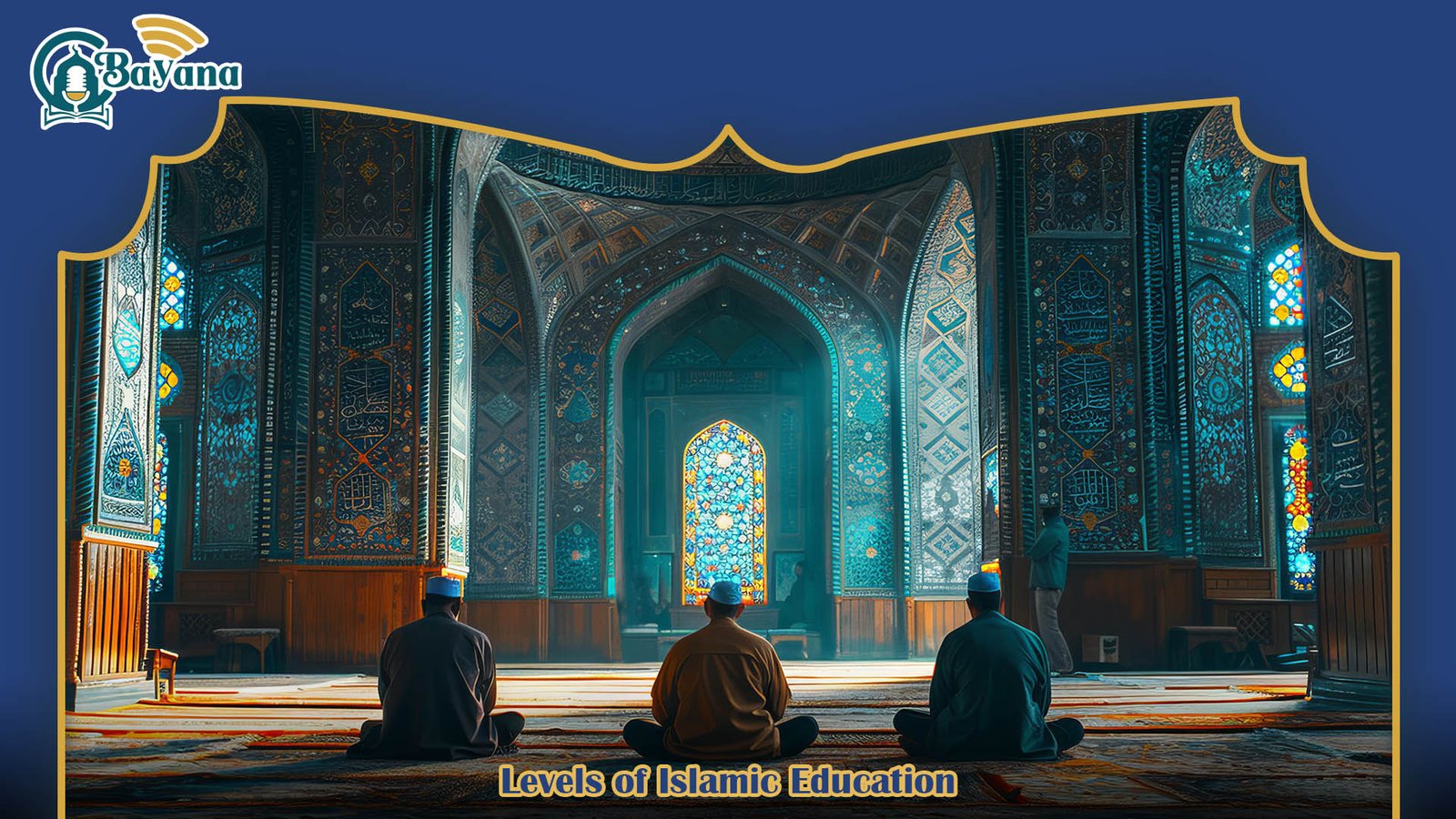
Islamic education typically progresses through three main levels, each building upon the previous to develop a deeper understanding of the religion. This structured approach to Islamic learning helps students grow intellectually and spiritually as they advance through each stage.
1. Beginner Studies
The beginner level serves as an introduction to various fields of Islamic knowledge. At this stage, the content is presented in a simple and accessible way, making it suitable for all Muslims, regardless of age or background.
The primary goal of beginner studies is to provide a clear overview of key Islamic concepts and principles, laying the foundation for further learning. This level of Islamic learning produces well-informed and thoughtful Muslims who understand the core of their faith.
2. Intermediate Studies
Intermediate-level education explores each field of Islamic studies in greater depth. It goes beyond the basics and requires more time and effort, though no formal specialization is needed.
For those seeking a well-rounded understanding of Islam, reaching the intermediate level in multiple subjects is highly recommended. This level is often pursued by Students of Knowledge—individuals dedicated to advancing their Islamic learning with the intention of possibly entering the scholarly path.
3. Advanced Studies
Advanced Islamic education delves into the fine details and complexities of each field. It usually demands years of consistent study and dedication.
The aim at this stage is to produce qualified Islamic scholars, whether in a specific area—such as Fiqh, Tafsir, or Hadith—or across multiple disciplines. This level represents the peak of structured Islamic learning, preparing scholars to teach, lead, and contribute to the intellectual legacy of the Muslim Ummah.
Read also: holy quran
Begin Your Quranic Journey with Bayana Quran
Deepen your connection with the Holy Quran and expand your understanding of Islamic teachings through Bayana Quran. Our comprehensive program features experienced instructors, interactive online sessions, and a thoughtfully crafted curriculum grounded in authentic Islamic knowledge.
Start your spiritual journey today with Bayana Quran—a path of personal growth, strengthened faith, and lifelong Islamic learning that will enrich your life in this world and elevate your standing in the Hereafter.

Meaning of Islamic Studies
Islamic studies refer to any academic or intellectual pursuit related to the religion of Islam. At its core, Islam places a high value on knowledge, making Islamic learning a fundamental aspect of the faith. There are various interconnected fields within Islamic studies—such as Quranic sciences, Hadith, Fiqh (Islamic jurisprudence), and theology—all of which contribute to a deeper understanding of Islam as a comprehensive way of life.
These fields are not isolated; rather, they are deeply intertwined, each one enriching and supporting the others through a shared foundation in Islamic teachings. For this reason, approaching these disciplines with a holistic mindset is essential for truly grasping the depth of the religion.
Islam strongly encourages seeking knowledge, as it is a core value tied to the pursuit of truth. While formal university education in Islamic studies can be beneficial, Islamic learning is not limited to academic institutions. What truly matters is studying under qualified, respectful, and knowledgeable Muslim scholars who can guide students with authenticity and wisdom.
Scope of Islamic Studies
Islamic studies encompass a wide range of subjects related to the Islamic faith, including Quranic sciences, theology, Islamic history, civilization, law, and ethics. They also extend to areas such as the Arabic language, social studies, and comparative religion, offering a comprehensive understanding of Islam.
Through Islamic learning with Bayana Quran, students gain a stronger connection to their faith and a clearer understanding of how Islamic principles apply to all aspects of life. Whether through structured programs or guided study with qualified teachers, the ultimate goal remains the same: to strengthen faith and nurture spiritual growth.
Each step in the journey of Islamic studies—no matter how small—contributes to personal development and a closer relationship with Allah, turning knowledge into a source of insight, guidance, and spiritual fulfillment.
Importance of Islamic Studies
Seeking knowledge is one of the core values deeply rooted in Islam. It is through knowledge that a person is elevated from the depths of ignorance to the light of understanding and wisdom. In Islam, the pursuit of truth is a noble goal — and Islamic learning is a direct path to that truth.
What makes Islamic studies so significant is not just the information it provides, but the purpose it serves: connecting the believer to the guidance of Allah. Engaging in Islamic learning is more than an intellectual effort; it is a form of worship that brings a person closer to their Creator.
The value of Islamic studies comes from the value of Islam itself. By studying the religion in a sincere and structured way, the believer takes their first steps on a path filled with divine light, clarity, and spiritual purpose. It is through this learning that one walks the path of God with understanding, conviction, and clear guidance.
Read more: learn to read quran
How to Learn Islam Step By Step
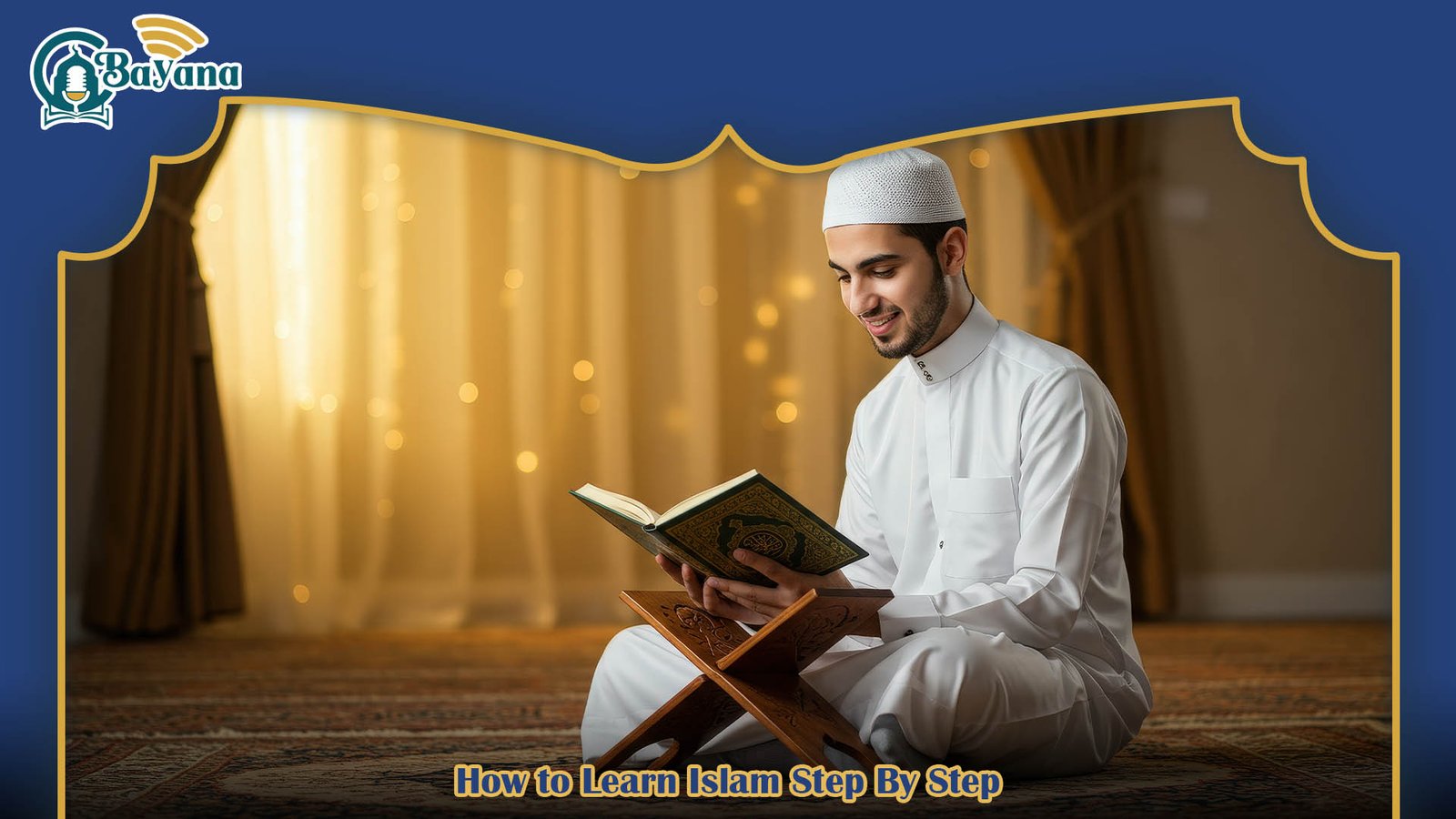
Islamic learning is a gradual and lifelong journey that involves exploring various aspects of faith, practice, and knowledge. To help you begin this meaningful path, here is a step-by-step guide to learning about Islam effectively:
Understand the Basics
Start by familiarizing yourself with the core principles of Islam, known as the Five Pillars: Shahada (Declaration of Faith), Salah (Prayer), Zakat (Charity), Sawm (Fasting during Ramadan), and Hajj (Pilgrimage to Mecca).
Read the Quran
The Quran is the holy scripture of Islam. Begin reading it with the help of translations and commentaries (Tafsir) to grasp the meanings and context. Starting with shorter chapters (Surahs) makes it easier to build your understanding gradually.
Learn and Practice Salah (Prayer)
Prayer is central to Islamic worship. Use resources such as videos and apps to learn the proper postures and recitations, ensuring your practice aligns with Islamic teachings.
Study Hadith
Hadiths record the sayings and actions of Prophet Muhammad (peace be upon him). Delve into authentic collections like Sahih al-Bukhari and Sahih Muslim to enrich your knowledge of the Prophet’s teachings.
Understand Islamic History
Gain insights into the life of Prophet Muhammad (peace be upon him) and the early Islamic era. This historical context deepens your appreciation of Islamic civilization and its development.
Explore Islamic Jurisprudence (Fiqh)
Study the legal and ethical framework of Islam, including the various Sunni schools of thought, to better understand how Islamic teachings guide daily life.
Participate in Islamic Classes and Lectures
Join local classes, study circles, or online lectures. Engaging with knowledgeable teachers and fellow learners is a key part of effective Islamic learning.
Read Islamic Books
Start with introductory books by reputable scholars covering theology, spirituality, and ethics, then gradually move to more advanced texts.
Learn Arabic
While not compulsory, learning Arabic enhances your ability to understand the Quran and Hadith in their original language. Begin with the basics and progress at your own pace.
Connect with the Muslim Community
Attend community events and Friday prayers (Jumu’ah). Being part of a supportive community fosters motivation and practical application of your learning.
Embrace Islamic Ethics and Morality
Apply Islamic values such as honesty, kindness, patience, and compassion in your daily life as part of your ongoing Islamic learning.
Reflect and Seek Spiritual Growth:
Make time for personal reflection, supplication (dua), and continuous self-improvement to nurture your spiritual development.
Learn more: tajweed rules
Frequently Asked Questions
Islamic learning is a topic that many people are curious about, whether they are new to the faith or seeking deeper knowledge. Here are some common questions that help explain what Islamic learning involves and why it is important.
1. What is Islamic learning?
Islamic learning involves studying the Quran, Hadith (sayings of Prophet Muhammad), and other Islamic texts to understand the teachings, history, and values of Islam.
2. Why is Islamic learning important?
It helps Muslims strengthen their faith, understand religious duties, and live according to Islamic principles, promoting both personal growth and community harmony.
3. How can I start learning about Islam?
You can begin by reading the Quran with trusted translations and commentaries, attending classes at mosques, or using online resources like Bayana Quran for guided explanations.
In conclusion, Islamic learning is a lifelong journey that enriches the mind, heart, and soul. It provides valuable insights into the teachings of Islam and helps individuals lead a balanced and meaningful life.
Through continuous study and reflection, learners deepen their connection to their faith and contribute positively to their communities. In the end, Islamic learning is not just about acquiring knowledge but also about embodying the values of compassion, justice, and wisdom in everyday life.
Learn more: islamic studies courses
Read also: memorize the quran