Follow Us

Practical Tips on How to Learn Quran for Beginners Online
How to Learn Quran for Beginners is a journey that requires the right guidance, tools, and dedication. At Bayana Quran Academy, we understand the unique challenges faced by new learners and provide a step-by-step approach to make Quranic learning accessible and meaningful.
Whether you are starting from scratch or looking to improve your recitation, our carefully designed methods focus on building strong foundations, mastering pronunciation, and developing a deep connection with the Quran. This guide aims to help beginners navigate their Quran learning journey with confidence and clarity.
Choosing the Right Mushaf for Beginners
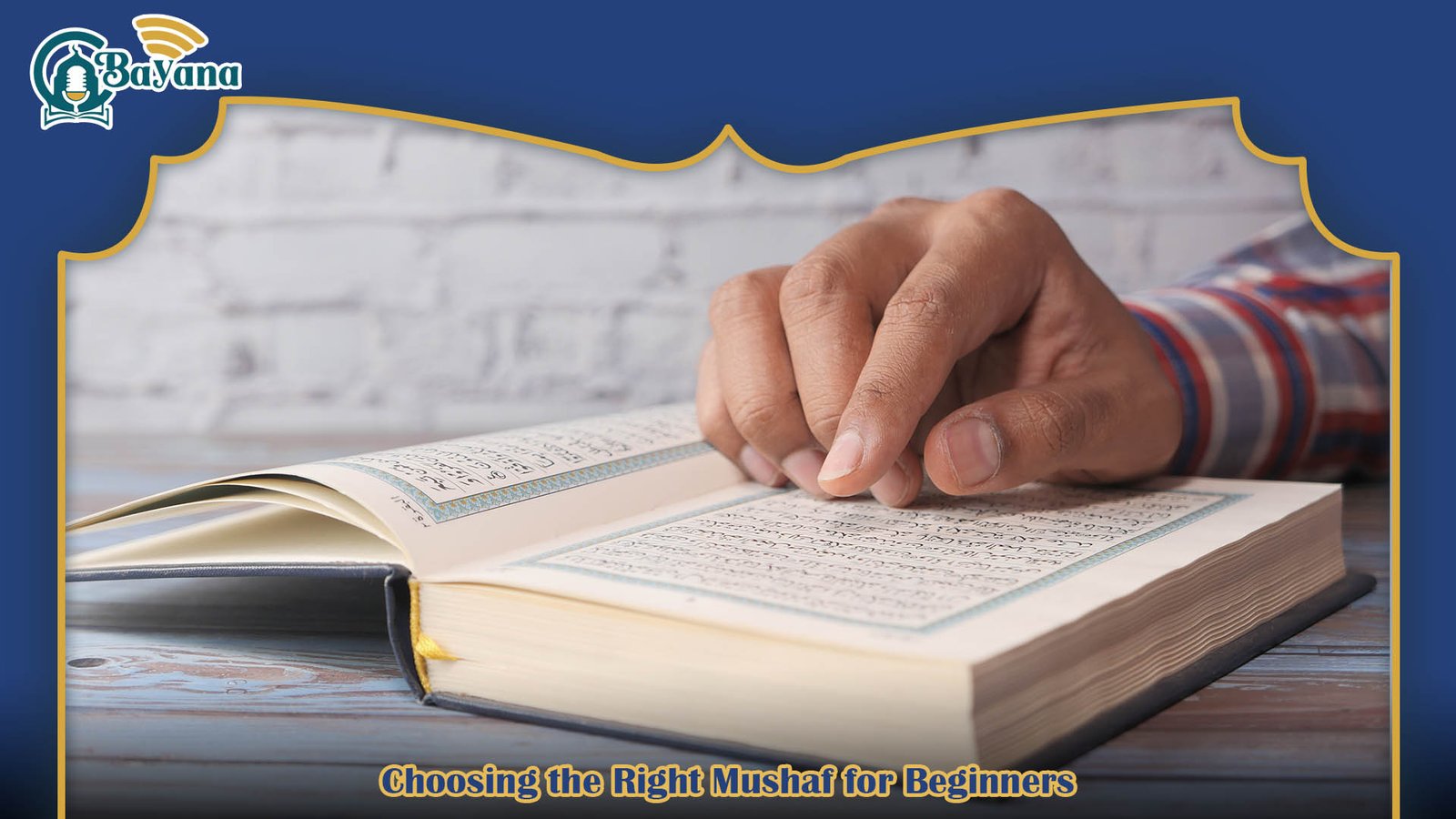
One of the first and most important steps in learning how to learn Quran for beginners is selecting the right Mushaf (physical copy of the Quran).
Beginners should look for a Mushaf that uses a clear and legible Arabic script, such as the Uthmani script, which is widely recognized and easier to read.
Additionally, a color-coded Mushaf that highlights Tajweed rules can be incredibly helpful, especially for those new to Quranic recitation.
This helps learners correctly pronounce letters and apply the rules of recitation from the very start, which is crucial to preserving the meaning and beauty of the Quran.
While translations are useful for understanding, the Quran’s linguistic and spiritual depth is best experienced in Arabic.
Beginners should therefore prioritize a Mushaf that supports clear Arabic reading before relying heavily on translations.
Choosing the right Mushaf sets a solid foundation and builds confidence, making the entire process of learning how to learn Quran for beginners more manageable and rewarding.
Begin Your Quranic Journey with Bayana Quran
Discover a deeper connection with the Holy Quran and enhance your knowledge of Islam through Bayana Quran. Our program features qualified instructors, engaging online classes, and a curriculum built on authentic Islamic scholarship.
Join Bayana Quran today—an inspiring journey of faith, personal growth, and lifelong learning that will guide you in this world and elevate you in the Hereafter.

Mastering the Noorani Qaida and Basic Tajweed
A foundational part of how to learn Quran for beginners involves mastering the Noorani Qaida.
This book introduces learners to the Arabic alphabet, vowel sounds, and the basics of pronunciation, providing a step-by-step guide for those new to reading Arabic script.
The Noorani Qaida simplifies the Arabic language, making it accessible to complete beginners, whether children or adults. Alongside this, learning basic Tajweed rules is essential.
Tajweed governs the rules of correct Quranic pronunciation, ensuring that each letter and word is pronounced properly and melodiously, just as the Prophet Muhammad ﷺ recited.
Tajweed helps prevent errors that could change the meaning of verses, which is why integrating Tajweed from the beginning is important.
Together, Noorani Qaida and Tajweed form the core learning tools in how to learn Quran for beginners, enabling students to build strong reading skills and a deeper respect for the Quran’s sacred words.
Learning Under Qualified Guidance
Many beginners ask how to learn Quran for beginners effectively, and one of the best answers lies in seeking proper guidance.
Learning under the supervision of a qualified teacher, especially one experienced in Tajweed and Quranic sciences, can greatly accelerate your progress.
A knowledgeable teacher can identify and correct mistakes early on, offer explanations for difficult rules, and tailor lessons to your individual needs. Whether you attend classes at a mosque, community center, or enroll in an online Quran course, structured learning provides discipline and motivation.
Regular feedback from a teacher ensures you don’t develop bad habits, and personalized guidance makes complex concepts easier to grasp.
Establishing a consistent study routine, combined with structured lessons, makes your journey smoother and more effective.
This supportive learning environment is an essential part of how to learn Quran for beginners, helping you stay on track and build confidence in your recitation and understanding.
Memorizing Short Surahs for Practical Learning
Memorizing short Surahs is a practical and motivating step in how to learn Quran for beginners.
It is recommended to start with the last Juz, known as Juz Amma, which contains short chapters like Surah Al-Falaq, Surah Al-Ikhlas, and Surah An-Nas. These chapters are rhythmically simple and easier to memorize, making them ideal for beginners.
Using repetition is a common and effective method: write the verses down, recite them aloud multiple times, and review regularly. Connecting the meanings of these verses to your life not only helps in memorization but also deepens your personal connection with the Quran.
Understanding the significance of each verse creates spiritual motivation that supports memorization efforts. Regular revision is key to retaining what you’ve memorized.
Incorporating memorization early in your study routine gives you tangible milestones and reinforces both your recitation and comprehension.
This makes memorization a powerful part of how to learn Quran for beginners, building both knowledge and a closer relationship with Allah.
Understanding the Quran’s Meaning
One of the most important but sometimes overlooked aspects of how to learn Quran for beginners is understanding the meaning behind what you read.
Correct pronunciation is essential, but the true value of Quranic study lies in comprehending the message. Using reliable translations in your native language can bridge this gap.
Additionally, exploring beginner-friendly Tafseer (exegesis) can provide context, explain historical background, and reveal deeper lessons. Reflecting on the meaning of verses fosters a spiritual connection and makes your study more meaningful.
It encourages you to apply the Quran’s teachings in your daily life, turning recitation into a transformative experience.
Understanding the Quran enhances both your love for the text and your motivation to continue learning. For beginners, combining reading, listening, and reflection creates a richer, more fulfilling approach to Quran study, making comprehension a critical step in how to learn Quran for beginners.
read more: quran arabic
Creating a Consistent Daily Routine
Consistency is a golden rule in how to learn Quran for beginners. Establishing a daily routine—even if it’s just 15 to 20 minutes a day—can lead to remarkable progress over time.
Choose a quiet, distraction-free space for your Quran study and set a fixed time each day for reading, revision, or memorization. Small, regular sessions are more effective than occasional long sessions.
Before and after each study session, making du’a (supplication) for ease, understanding, and guidance connects your efforts to spiritual intentions and opens your heart to learning.
This daily habit not only improves your skills but also nurtures your relationship with Allah and the Quran. Over time, this consistent practice becomes a source of peace and spiritual strength.
Establishing and maintaining a routine is one of the most practical and impactful ways to succeed in how to learn Quran for beginners.
Building Fluency with the Noorani Qaida
As beginners progress, the Noorani Qaida remains an invaluable tool in how to learn Quran for beginners.
It introduces Arabic letters and reading rules gradually, helping learners build confidence and fluency.
Starting with the Qaida ensures that learners don’t feel overwhelmed by the Quran’s complex script.
Mastering the Qaida is essential before moving on to reading actual Quranic verses, as it provides the necessary reading foundation.
The systematic exercises and gradual difficulty level help learners become comfortable with Arabic sounds and patterns.
After completing the Qaida, beginners can confidently approach Quranic verses, focusing more on meaning and Tajweed rather than basic letter recognition.
The Noorani Qaida serves as a trusted companion throughout the early stages of learning, ensuring that beginners build solid, lasting skills in how to learn Quran for beginners.
Starting with Short Surahs for Easier Fluency
Many beginners make the mistake of starting with long and complex chapters, which can be discouraging.
One of the best tips in how to learn Quran for beginners is to begin with short Surahs, especially those from Juz Amma, such as Surah Al-Kawthar, Surah Al-Asr, and Surah Al-Fil.
These Surahs are brief, rhythmic, and often recited in daily prayers, making them practical and motivational for learners.
Their manageable length allows beginners to experience the joy of completion and success early on.
This approach builds confidence and fluency, providing a stepping stone towards tackling longer chapters later.
Short Surahs help learners familiarize themselves with common words and phrases, improving both recitation and understanding.
Choosing easy Surahs to start with is a strategic and encouraging step in how to learn Quran for beginners.
Learning Key Verses with Meaning and Purpose
A personalized approach to how to learn Quran for beginners involves focusing on key verses that carry deep spiritual and practical significance.
Verses such as Ayat al-Kursi (Surah Al-Baqarah 2:255) and Surah Al-Fatiha hold special importance in Islamic worship and daily life.
Learning these verses early on helps learners develop a meaningful connection with the Quran. Incorporating them into your daily reading and memorization routine reinforces their importance and spiritual benefits.
These key verses serve as a foundation, inspiring learners and providing protection and guidance.
Focusing on significant verses adds purpose to your Quranic journey, making your study both manageable and spiritually enriching.
Including these powerful ayahs is a wise and motivating part of how to learn Quran for beginners.
read also: islamic education
Perfecting Recitation with Tajweed and Pause Rules
Refining your Quranic recitation by learning Tajweed and pause (waqf) rules is an essential next step in how to learn Quran for beginners.
Tajweed governs the correct pronunciation of letters, while pause rules teach where to stop, pause, or continue in recitation.
These rules preserve the meaning and flow of the Quranic text and bring elegance to your reading.
Understanding common stopping signs and practicing them regularly improves your fluency and prevents mistakes that could alter meanings.
Tajweed adds a musical quality and spiritual rhythm to your recitation, enriching your connection with the Quran.
Beginners who master Tajweed and waqf rules will recite more confidently, respectfully, and beautifully.
This technical yet rewarding aspect is crucial in how to learn Quran for beginners and deepens your reverence for the sacred text.
learn more: quran tajweed
Discovering Your Recitation Style (Qira’at)
An often-overlooked part of how to learn Quran for beginners is discovering your unique recitation style, known as Qira’at.
These are the different traditional ways the Quran can be recited, each with slight variations in pronunciation and melody.
While it’s not mandatory to master a particular Qira’at, selecting and practicing one style helps maintain consistency and builds confidence.
Beginners are encouraged to listen to different reciters, find a style that resonates with them, and practice aloud regularly.
This builds vocal control, fluency, and a personal connection to the Quranic words. Developing your recitation voice turns Quran reading into a more expressive and heartfelt experience.
Over time, your unique style becomes a source of pride and motivation. Exploring Qira’at enriches your learning and adds a beautiful dimension to how to learn Quran for beginners.
Considering Memorization: Should You Start Hifz?
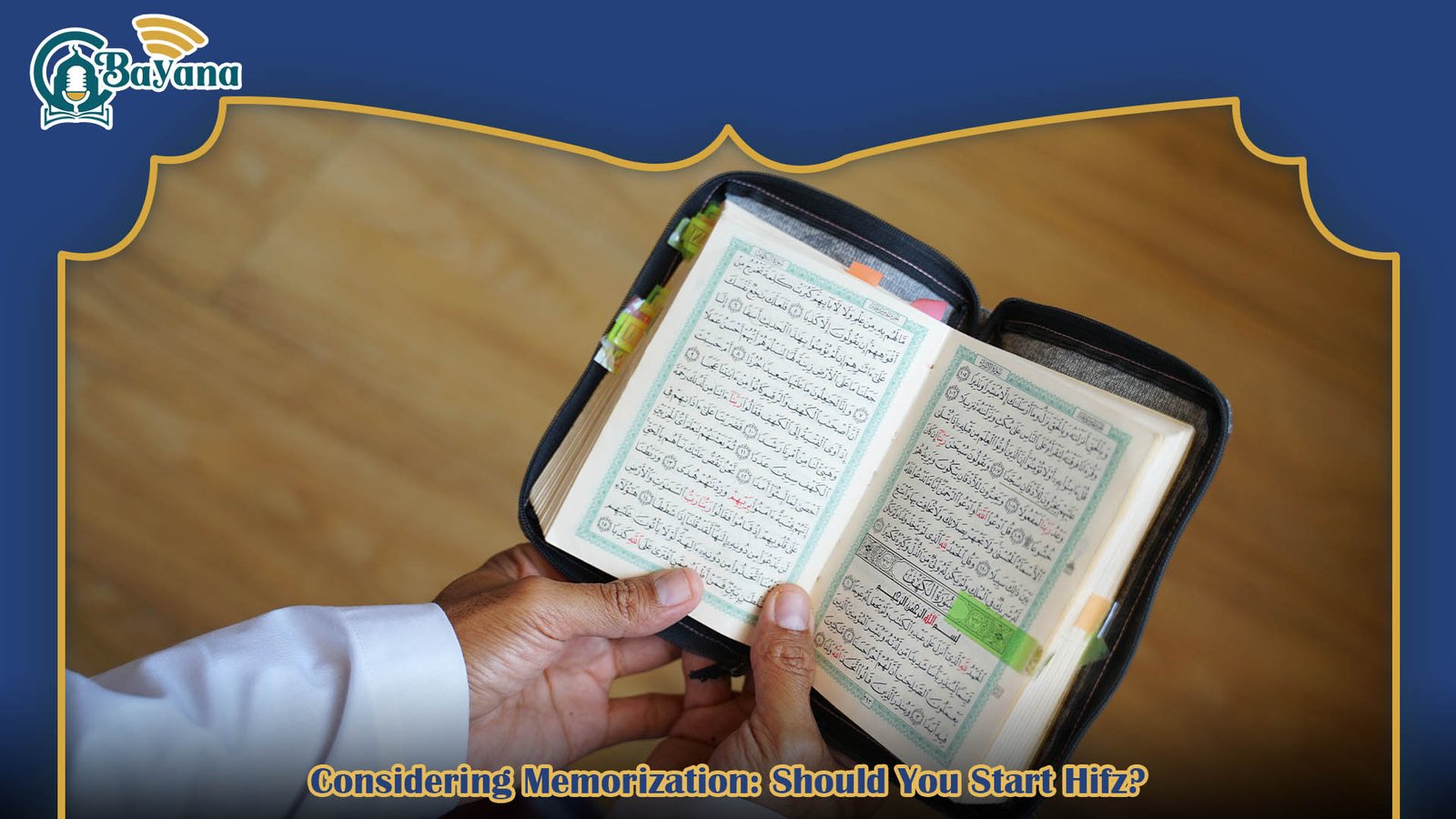
Many learners wonder, “Should I memorize the Quran?” While memorization (Hifz) is not obligatory, it is a noble and rewarding goal that many beginners aspire to.
Learning how to learn Quran for beginners naturally prepares you for memorization by building reading fluency, Tajweed skills, and understanding.
If you decide to begin Hifz, start small with short Surahs and consistently revise what you’ve memorized to retain accuracy. Memorization deepens your spiritual bond with the Quran, making the words a part of your heart and daily life.
It also enhances your recitation and understanding in meaningful ways. Taking gradual, consistent steps towards memorization can be fulfilling and spiritually uplifting.
For many, memorizing the Quran is the ultimate goal in how to learn Quran for beginners, marking a profound achievement on their journey
Frequently Asked Questions about Learning Quran with Tajweed
If you’re considering Learning Quran with Tajweed, you might have questions about the process, course structure, and overall benefits.
Below are answers to some frequently asked questions to help you understand what to expect from a Quran Tajweed course.
What does Learning Quran with Tajweed mean and why is it important?
Learning Quran with Tajweed means applying the proper rules of recitation to ensure every letter is pronounced correctly. It is important because it preserves the true meaning of the Qur’anic words and allows Muslims to recite the Quran exactly as it was revealed.
Is Learning Quran with Tajweed possible for beginners?
Yes, Learning Quran with Tajweed is very suitable for beginners. With step-by-step guidance, clear lessons, and regular practice, even those with no prior experience can recite confidently and accurately. Bayana Quran offers structured programs designed for different levels, including complete beginners.
How long does Learning Quran with Tajweed take?
The time varies depending on each student’s effort and consistency. Some learners progress in a few months, while others may take longer. The key to mastering Tajweed is dedication and regular practice. Online courses like Bayana Quran make the process flexible and effective.
In conclusion, how to learn Quran for beginners is a fulfilling and transformative journey that requires patience, persistence, and the right support.
BayanaQuran Academy is committed to guiding you every step of the way, ensuring you build a strong foundation in Quranic reading, Tajweed, and understanding.
Remember, with consistent practice and sincere intention, mastering the Quran becomes not only achievable but also deeply rewarding. Start your journey today and experience the spiritual growth and connection that comes from truly learning the Quran.