Follow Us

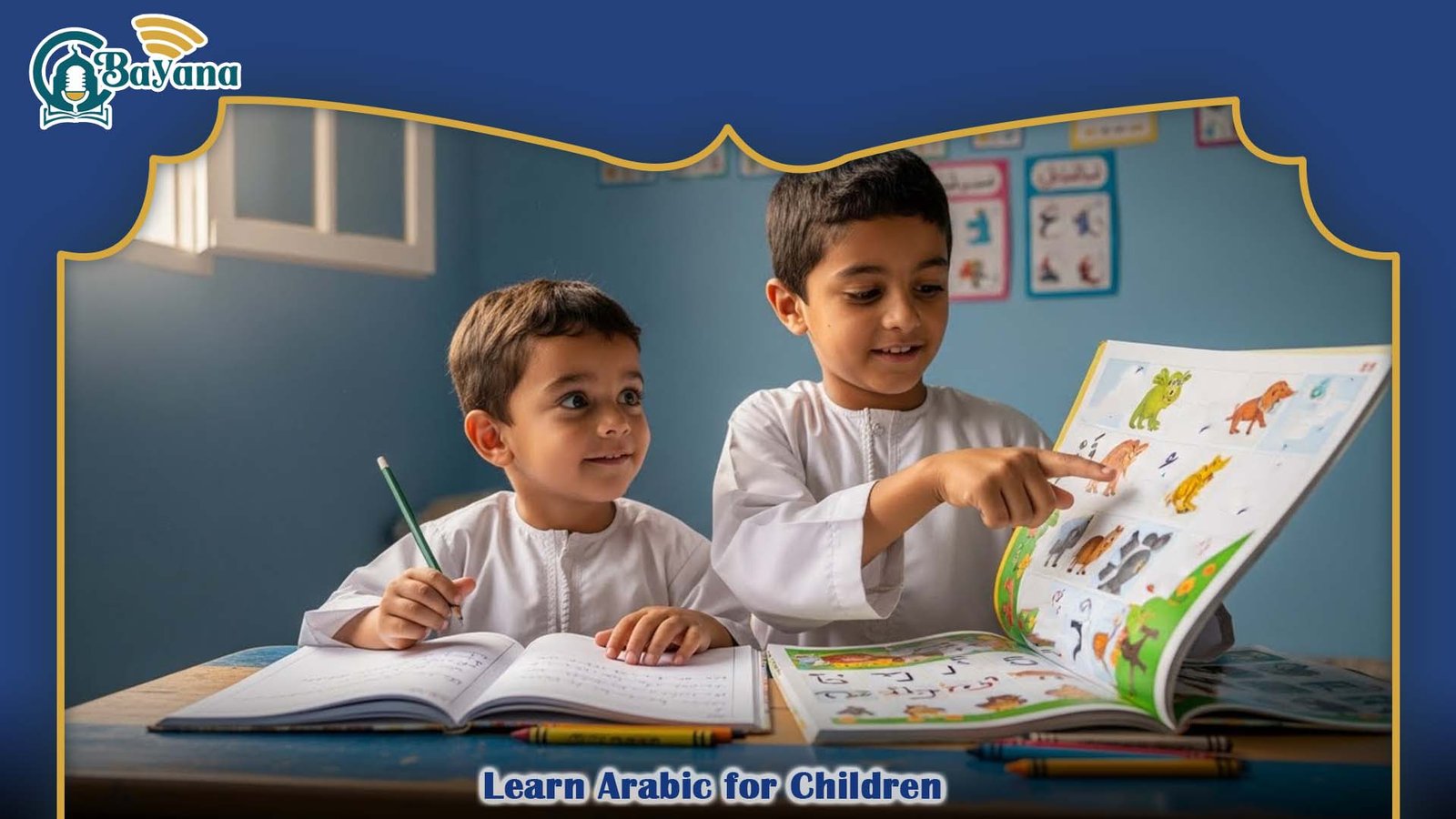
Learn Arabic for Children with Fun Interactive Lessons 2026
Learn Arabic for children can be an exciting and rewarding journey when guided by the right resources and support. At Bayana Quran Academy, children are introduced to Arabic in a fun and interactive way, combining cultural insights, games, songs, and foundational language skills. Learning Arabic is not just about a language; it connects children to the rich heritage of the Quran and the Arabic-speaking world.
Through daily practice and engaging activities, Bayana Quran Academy helps children naturally build vocabulary, pronunciation, and conversation skills. Parents looking to learn Arabic for children will find the process enjoyable and effective. Starting early and staying consistent ensures children confidently learn Arabic for children while enjoying every step.
Engaging Ways to Learn Arabic
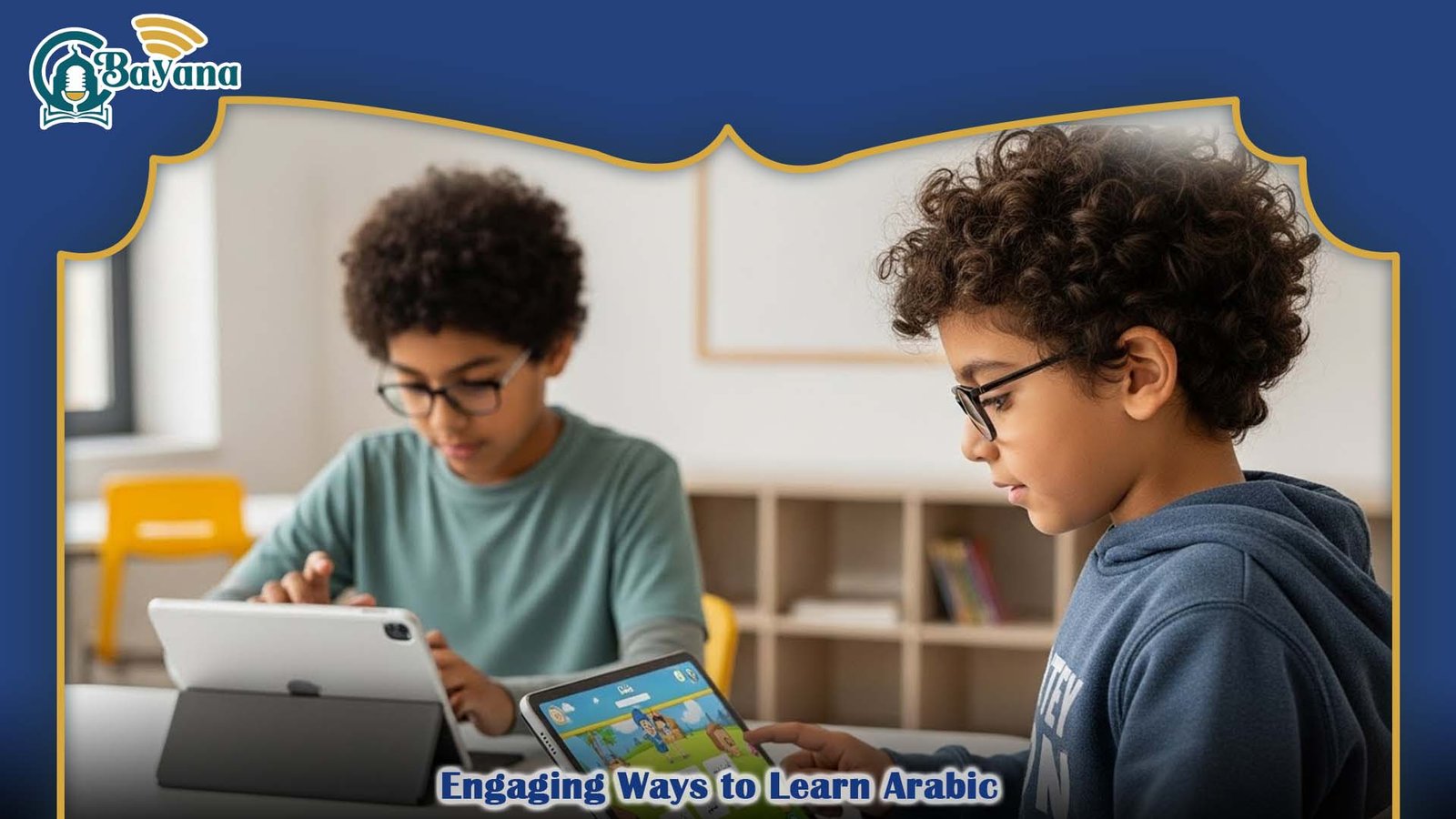
Helping children learn Arabic for children can be fun and effective when using interactive, playful methods. Here are some key strategies to make learning enjoyable:
- Make Learning Fun
Children naturally enjoy games, so turning Arabic lessons into playful activities keeps them motivated and engaged rather than feeling like a chore. - Keep It Simple
Simple and easy-to-follow exercises help children learn without frustration. Using colorful visuals, simple songs, and short stories keeps lessons clear and approachable. - Practice Anywhere
Learning doesn’t have to be confined to a classroom or home. Activities can be done in the car, at the park, or anywhere, giving children flexible exposure to Arabic. - Develop All Language Skills
Effective methods should cover reading, writing, listening, and speaking. Interactive activities like storytelling, matching games, and daily conversations help children strengthen all aspects of language simultaneously. - Use Repetition and Encouragement
Repeating words, phrases, and games while celebrating small achievements builds confidence and reinforces learning.
Parents who want to learn Arabic for children can combine these methods with consistent practice to create a rich, engaging, and supportive environment. By making Arabic interactive, playful, and part of daily life, children are more likely to develop a lasting love for the language while improving their skills naturally.
Join Online Quran Academy
Bayana Quran Academy offers a comprehensive online learning experience that combines Quranic studies with Arabic language education for children in a fun and interactive way.
Through online programs, children can attend lessons from anywhere with ease, guided by specialized instructors who provide personal supervision and continuous support.
The academy uses modern teaching methods, including games, songs, and hands-on activities, to enhance understanding and memorization, making the learning journey enjoyable and effective. Whether the goal is to learn the Quran or improve Arabic language skills, Bayana Quran Academy provides a safe and motivating learning environment for children to succeed and progress with confidence.

How to Learn Arabic for Children
Knowing how to How to Learn Arabic for Children effectively starts with using interactive and playful methods. Introducing the Arabic letters, simple words, and basic phrases through games and songs helps children grasp the fundamentals while having fun.
Apps, educational games, and short stories are excellent tools to How to Learn Arabic for Children naturally. Daily practice, short lessons, and immersive activities encourage children to speak, listen, and read consistently, which is essential to How to Learn Arabic for Children confidently.
Parents can guide their children by incorporating Arabic into everyday routines, such as greetings, naming objects, or storytelling. These small activities make learning feel effortless and enjoyable.
Using interactive tools, colorful flashcards, and playful exercises ensures that children not only learn vocabulary but also understand the language in context, which helps them How to Learn Arabic for Children more effectively. Celebrating small achievements and maintaining a positive, patient approach allows kids to stay motivated.
With regular practice and creativity, it is easy to How to Learn Arabic for Children without making it feel like a chore. Over time, children begin to enjoy the language naturally, and parents notice improvement in their ability to How to Learn Arabic for Children.
By combining structured lessons with fun activities, supportive guidance, and real-life conversation, every child can develop a strong foundation. Following these steps ensures that children not only learn the words but also appreciate the culture behind the language, allowing them to How to Learn Arabic for Children with confidence and joy.
Learn Arabic for Children: Making It Fun and Easy
ith patience and creativity, parents can successfully help their children learn Arabic for children in a way that feels like a joyful journey rather than a chore.
Arabic is the language of the Quran and one of the most widely spoken languages worldwide. Teaching Arabic to kids is not just about learning a new language—it is also a way to connect them with their culture and heritage. Parents who want their children to understand the language often look for ways to learn Arabic for children effectively, making lessons fun and engaging.
Apps, games, and interactive exercises designed to learn Arabic for children keep children motivated. Songs, stories, and playful activities encourage kids to learn Arabic for children, making the process enjoyable and memorable. Daily routines, like greetings or naming objects, help children naturally learn Arabic for children.
Storybooks and flashcards created to learn Arabic for children offer extra support and make learning exciting. Parents can celebrate achievements to help children confidently learn Arabic for children. With consistency and regular practice, kids fully learn Arabic for children in a joyful way.
Starting with the basics is key to helping children learn Arabic for children. Introducing the Arabic alphabet through songs, games, and colorful charts makes learning fun. Flashcards and interactive tools help children recognize letters and sounds, allowing them to learn Arabic for children naturally.
Building vocabulary through simple words and phrases is the next step to learn Arabic for children. Everyday activities, like talking about family routines or objects at home, give children a chance to learn Arabic for children in context. Storybooks and educational games transform learning into an exciting adventure. Encouraging conversation helps kids confidently learn Arabic for children. By using short daily sessions, music, and videos, parents can ensure children consistently learn Arabic for children in a stress-free and fun way.
Early Steps to Learn Arabic
Introducing Arabic to children at a young age is one of the most effective ways to help them develop strong language skills. Children’s brains are highly receptive during their early years, which makes it the perfect time to expose them to new sounds and words. Simple songs, nursery rhymes, and easy phrases incorporated into daily routines can help children get used to the sounds, rhythm, and structure of Arabic naturally.
Parents can make learning enjoyable by turning everyday activities into playful lessons. Greeting your child in Arabic, naming objects around the home, or singing short songs together can reinforce vocabulary without feeling like a formal lesson. This approach helps children associate the language with fun and positive experiences, making them more motivated to continue learning.
Storytelling and games also play an important role. Children absorb more when they engage with language through interactive play. Using flashcards, picture books, or apps designed to learn Arabic for children can make vocabulary and phrases more memorable.
Consistency is key. Small, daily sessions of practice—whether it’s a few minutes of songs, conversation, or reading—can make a big difference over time. Celebrating progress, even small achievements, encourages confidence and enthusiasm.
For families who want to learn Arabic for children, starting early ensures a strong foundation. With patience, creativity, and everyday exposure, children can gradually develop fluency and a genuine love for the language. Using these methods, learning Arabic for children becomes a joyful, engaging, and natural part of daily life.
Start With Arabic Basics Early
Introducing children to the Arabic alphabet is an essential first step in their language journey. The Arabic alphabet consists of 28 letters, each with its unique shape and sound. Making this process interactive and fun helps children stay engaged and interested. Using colorful flashcards, alphabet puzzles, or child-friendly apps can turn learning into an enjoyable game rather than a task.
Encouraging children to practice writing the letters is equally important. Start with simple strokes and gradually guide them to form complete letters. Once they are comfortable, you can move on to forming simple words. This step-by-step approach builds confidence and makes learning less overwhelming.
Games and repetition help reinforce what children learn. Singing alphabet songs or matching letters with images can make memorization easier and more enjoyable. Short, consistent practice sessions ensure that children retain what they’ve learned and gradually expand their vocabulary.
Parents who want to learn Arabic for children should remember that patience and encouragement are key. Celebrate small milestones and make each session positive, so children associate Arabic with fun and achievement. Using interactive tools and creative methods helps children absorb the language naturally.
For families eager to learn Arabic for children, starting with the alphabet lays a strong foundation. Combining play, practice, and everyday exposure ensures that children gain familiarity with the letters and begin to form words confidently. With consistent support, children can successfully learn Arabic for children while enjoying the process. The alphabet becomes not just a set of symbols, but the doorway to a lifelong love of the Arabic language.
Interactive Tools for Learning Arabic
Using interactive tools is one of the most effective ways to help children learn Arabic. Educational apps, games, and videos designed specifically for young learners can make the process engaging and enjoyable. These resources often include colorful graphics, fun activities, and interactive quizzes that capture children’s attention and keep them motivated.
Interactive learning helps children practice reading, writing, and listening skills in a playful environment. For example, matching letters to pictures, completing puzzles, or following along with songs in apps encourages active participation. Such activities not only make learning fun but also reinforce memory and understanding naturally.
Parents who want to learn Arabic for children can incorporate these tools into daily routines. Short, consistent sessions with apps or games allow children to gradually build vocabulary and improve pronunciation without feeling pressured. Repetition through playful exercises ensures that the new words and phrases stick.
Videos and animated lessons are particularly helpful for auditory and visual learners. Children can hear the correct pronunciation, see letters and words in context, and practice along with the content. This multi-sensory approach supports faster and deeper learning.
For families eager to learn Arabic for children, interactive tools provide a modern and effective way to complement traditional methods. Combining these tools with daily practice, storytelling, and hands-on activities ensures that learning Arabic becomes a fun, immersive experience. When children enjoy the process, they are more likely to continue exploring the language confidently. Using these resources, children can successfully learn Arabic for children while developing a love for the language that lasts a lifetime.
Multisensory Learning for Arabic
Engaging multiple senses can greatly enhance a child’s ability to understand and retain Arabic. Multisensory learning involves combining auditory, visual, and tactile experiences to make language acquisition more effective and enjoyable.
Auditory stimuli, such as Arabic songs, rhymes, and audiobooks, help children become familiar with the sounds, rhythm, and pronunciation of the language. Listening repeatedly allows them to recognize patterns and develop natural speech skills. This approach is particularly useful for children who learn best through sound.
Visual aids are equally important. Posters, charts, and storybooks with Arabic text introduce new vocabulary and reinforce reading skills. Bright, colorful visuals help children remember words and letters while keeping them engaged. Combining visual and auditory learning allows children to make connections between what they see and hear, strengthening comprehension.
For parents who want to learn Arabic for children, incorporating multisensory techniques can make learning more dynamic and interactive. Simple activities like pointing to letters while singing, matching pictures with words, or reading aloud together provide a rich learning environment.
Consistency and variety are key. Mixing songs, visual aids, and hands-on activities ensures that children remain interested while gradually expanding their vocabulary and language skills. Families who embrace multisensory learning methods create a fun, immersive experience that makes it easier for children to absorb Arabic naturally.
Using this approach, children not only develop stronger language skills but also build a lasting connection with the Arabic language. For those looking to learn Arabic for children, multisensory learning is an effective and enjoyable path to success. It ensures that children can confidently learn Arabic for children while enjoying every step of the process.
Daily Practice Builds Arabic Skills
Consistency is key when helping children acquire a new language. Making Arabic a part of daily routines ensures that learning becomes natural and effective. Simple activities, such as placing cards with Arabic words around the house, can help children recognize and remember vocabulary effortlessly.
Encouraging children to use greetings, expressions, and numbers in Arabic during everyday interactions reinforces what they learn. Whether it’s saying “hello” in Arabic, counting objects, or describing items at home, these small, repeated actions create meaningful practice opportunities. Over time, children start using Arabic naturally without feeling pressured.
Parents who want to learn Arabic for children should set aside specific times each day for practice. Short, consistent sessions are often more effective than long, irregular lessons. Even five to ten minutes a few times a day can make a significant difference in language retention and confidence.
Integrating Arabic into daily life also helps children see the language as a practical and useful tool. By turning routine activities into learning moments—like naming fruits at snack time or reciting numbers during play—parents create a rich, immersive environment.
For families aiming to learn Arabic for children, daily practice ensures steady progress. It reinforces vocabulary, strengthens pronunciation, and gradually builds fluency. When Arabic becomes part of everyday life, children are more motivated and confident, making the learning journey enjoyable and natural. Regular exposure and active use help children successfully learn Arabic for children, turning consistent practice into lasting language skills.
Best Age to Learn Arabic
Children can start learning Arabic at any age, but beginning early is highly recommended. Preschool years are particularly ideal because young children’s brains are naturally more receptive to acquiring new languages. Early exposure allows them to absorb sounds, vocabulary, and sentence structures more easily, making the learning process smoother and more intuitive.
Using engaging activities like songs, rhymes, and simple daily phrases during early childhood can help children build a strong foundation in Arabic. These playful methods not only make learning fun but also encourage a lasting interest in the language. Parents who want to learn Arabic for children should focus on creating a positive and interactive environment to maximize early learning.
However, older children can also successfully learn Arabic with the right resources and support. Structured lessons, interactive tools, and consistent practice can help them develop strong language skills, even if they start later than preschool age. Motivation and regular exposure are key factors in ensuring successful language acquisition for older learners.
Incorporating Arabic into daily life, whether through conversation, reading, or cultural activities, benefits children of all ages. For families eager to learn Arabic for children, understanding the importance of early exposure is helpful, but it’s never too late to start. With dedication and the right approach, children can gradually build fluency and confidence in speaking.
Ultimately, children who are encouraged to learn Arabic for children through enjoyable and interactive methods can develop a deep understanding and love for the language. Whether starting early or later, consistent practice and engaging learning experiences make it possible to successfully learn Arabic for children at any age.
How to Teach Your Child to Speak Arabic
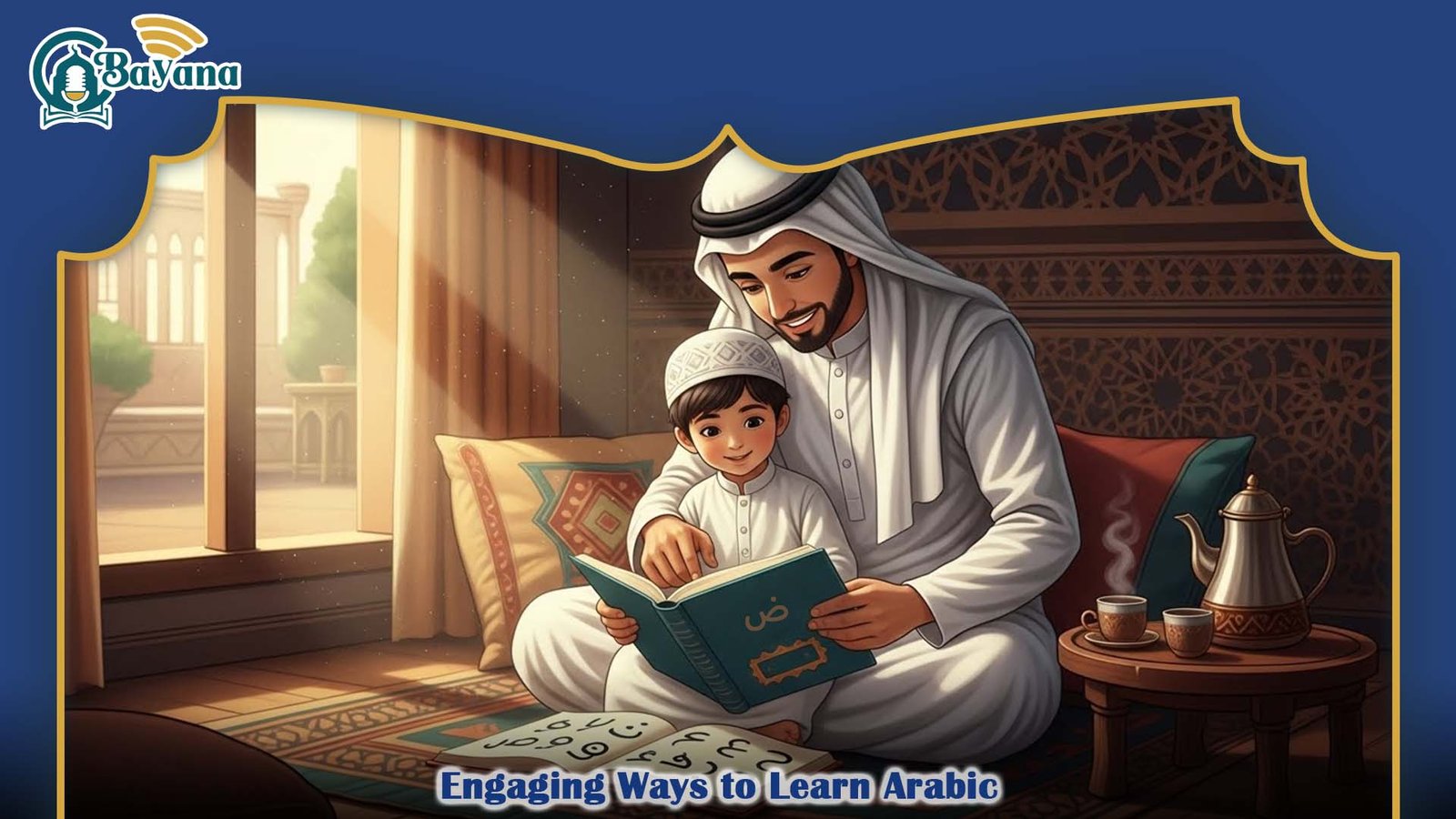
Teaching children to speak Arabic requires patience, creativity, and consistent practice. Here are effective strategies to help your child develop speaking skills in a fun and engaging way:
- Start with Simple Greetings and Phrases
Introduce basic expressions like “Hello,” “Peace be upon you,” “How are you?” and “Thank you.” Repetition helps children feel confident using these phrases in daily conversations. - Practice Pronunciation and Intonation
Focus on correct pronunciation and encourage your child to imitate sounds. This builds a strong foundation for accurate and natural speech. - Role-Playing Activities
Use real-life scenarios such as shopping, greeting friends, or asking for help. Role-playing helps children apply vocabulary and sentences in context, making learning interactive and memorable. - Narrate Your Daily Routine in Arabic
Describe actions and objects during daily activities. For example, name items while cooking, cleaning, or playing. This links words to real experiences, reinforcing understanding. - Use Visual Aids and Games
Incorporate picture cards, interactive apps, and language games. Visual and playful activities make speaking practice enjoyable and engaging. - Listening and Repetition
Expose your child to spoken Arabic through audiobooks, dubbed movies, or conversations with native speakers. Listening repeatedly strengthens comprehension and pronunciation. - Consistency is Key
Short, regular practice sessions every day are more effective than long, irregular lessons. Consistent exposure ensures gradual improvement.
For parents who want to learn Arabic for children, combining these techniques creates an immersive and supportive environment. With practice, patience, and creativity, children can confidently learn Arabic for children and enjoy speaking the language naturally.
Frequently Asked Questions
A Comprehensive Guide Answering the Most Common Questions Parents and Educators Have About Helping Their Kids Develop Arabic Language Skills, Build Vocabulary, and Gain Confidence in Speaking and Understanding Arabic Naturally
1. At what age can children start learning Arabic?
Children can start learning Arabic at any age, but starting early—especially during preschool years—helps them absorb the language naturally and easily.
2. How can I make learning Arabic fun for my child?
Use songs, stories, games, role-playing, and colorful flashcards. Interactive and playful activities keep children engaged and motivated while learning.
3. Is it necessary to follow a strict curriculum?
Not necessarily. Combining everyday interactions, cultural experiences, and structured activities allows children to learn Arabic for children naturally and enjoyably.
4. Can older children also learn Arabic successfully?
Yes! Older children can learn Arabic effectively using consistent practice, interactive exercises, and support from parents or educational programs like Bayana Quran Academy.
5. How can I help my child practice Arabic daily?
Incorporate Arabic in routines: greetings, naming objects at home, reading storybooks, listening to songs, or having simple conversations in Arabic.
6. What resources can help children learn Arabic?
Storybooks, flashcards, educational games, videos, songs, and programs at institutions like Bayana Quran Academy provide structured support for children to learn Arabic for children.
7. How long does it take for children to become confident in Arabic?
It varies depending on age, consistency, and practice. Short daily sessions, engaging activities, and repeated exposure help children gradually gain confidence.
In conclusion, helping children learn Arabic for children is a journey filled with fun, discovery, and meaningful growth. At Bayana Quran Academy, children are supported every step of the way, combining interactive activities, cultural insights, and practical practice to make learning enjoyable and effective.
By incorporating daily routines, stories, songs, and hands-on experiences, children can naturally build vocabulary, pronunciation, and confidence in speaking Arabic.
With patience, consistency, and the right guidance, parents can ensure their children successfully learn Arabic for children, develop a strong foundation, and foster a lasting connection with the language and its rich cultural heritage.
Read also:
Online Quran Classes for Kids: Fun Learning 2026