Follow Us

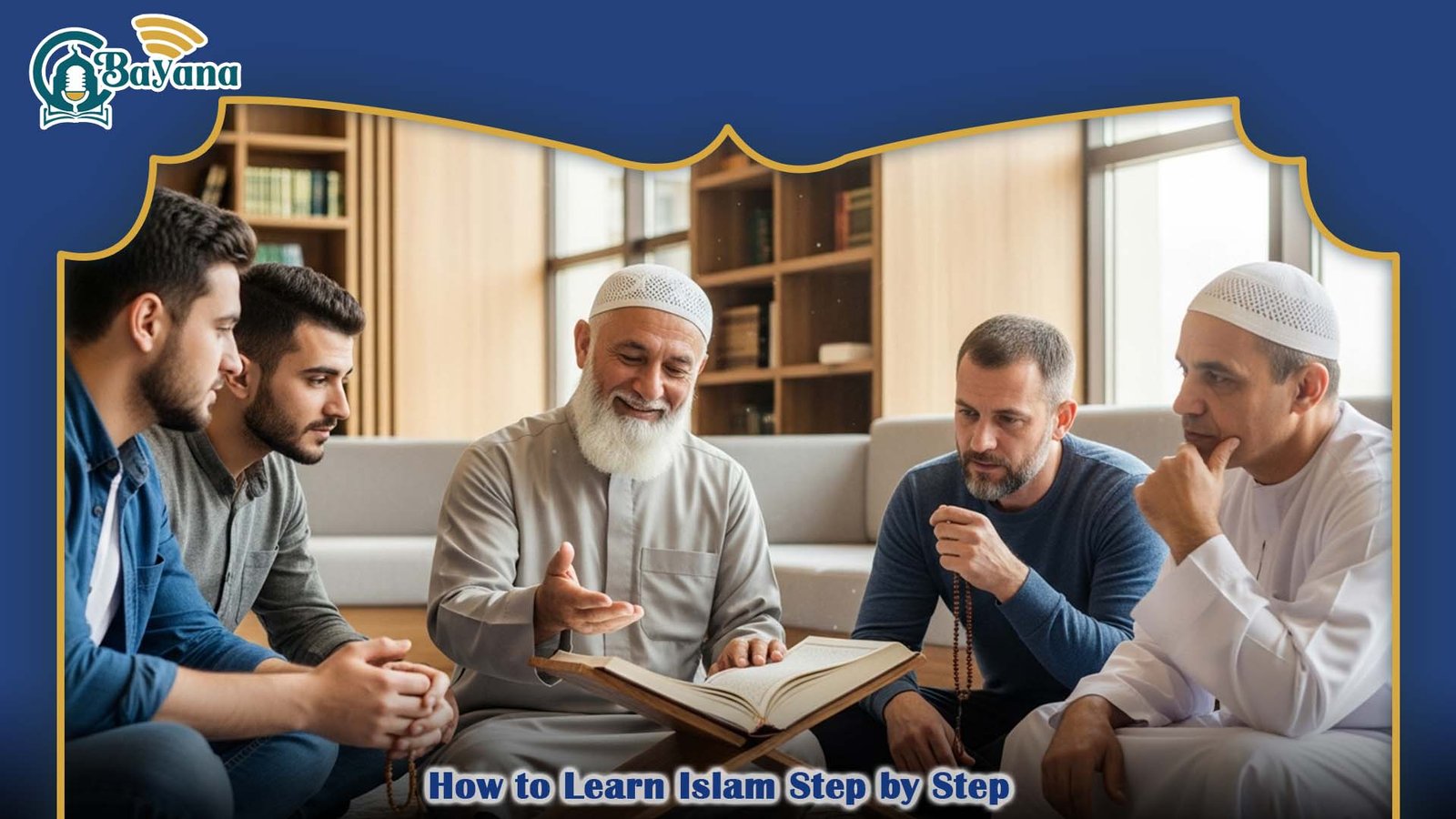
How to Learn Islam Step by Step: A Simple Guide 2026
How to learn Islam step by step with Bayana Quran Academy provides a clear and structured path for anyone seeking to understand Islamic teachings deeply.
At Bayana Quran Academy, learners are guided through the fundamentals of Islam, including the Quran, Hadith, Sunnah, and the Five Pillars, in a practical and engaging way.
This approach ensures that both beginners and advanced students can grasp the core concepts, reflect on their meaning, and apply them in daily life.
By following this method, Bayana Quran Academy helps students build a strong spiritual foundation while developing knowledge, character, and faith.
Learn Islam Easily: A Step-by-Step Guide
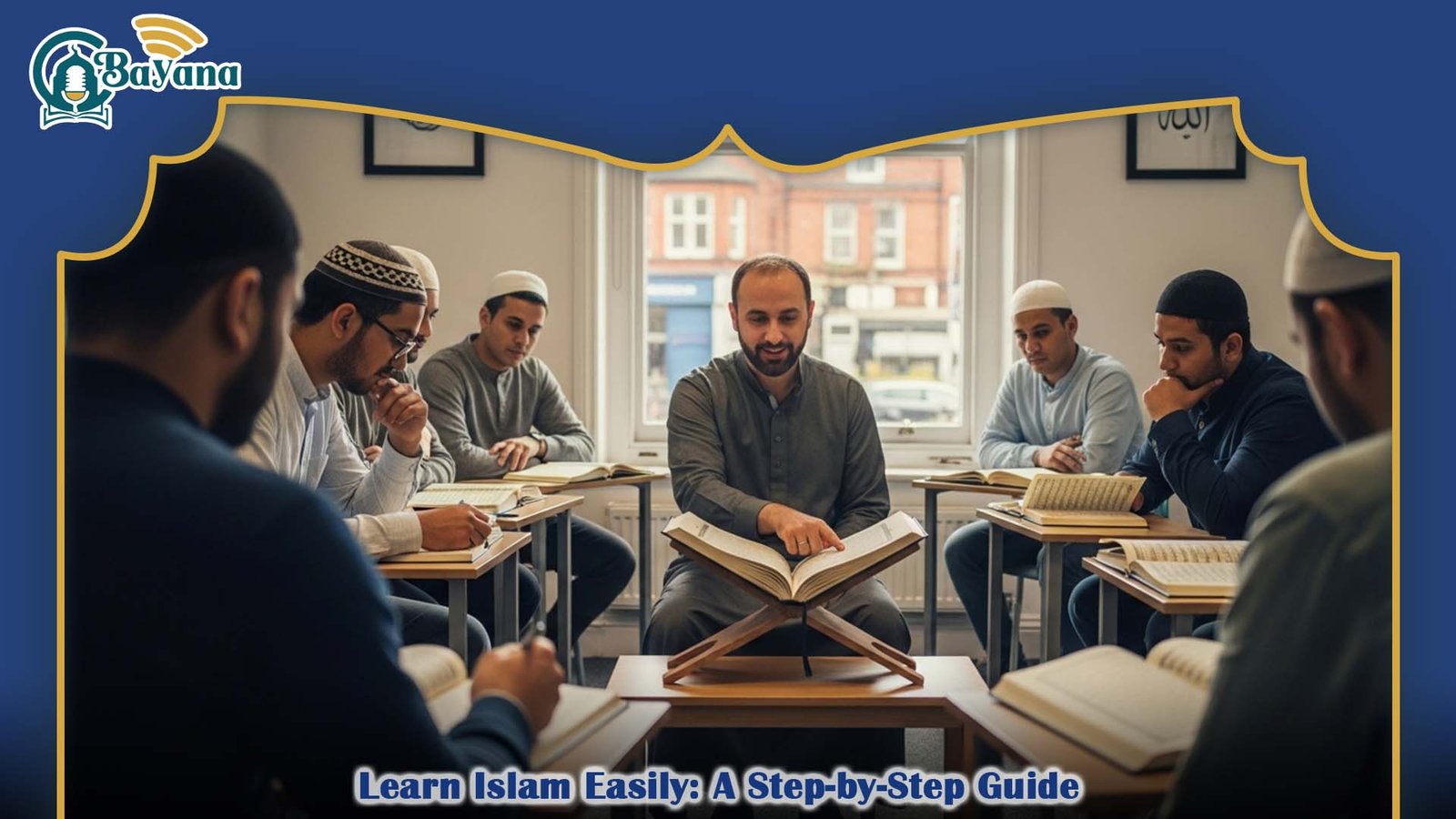
Teaching children about Islam and the Quran is one of the key responsibilities for parents throughout their upbringing. Islam provides the foundation for understanding good morals, proper behavior, and the principles that should guide their lives. Knowing how to learn Islam step by step helps parents introduce these values gradually and effectively.
Parents should start with the basics, such as the five pillars of Islam, and explain the importance of each act of worship. Using simple guidance, stories from the life of the Prophet, and practical daily examples can make it easier for children to understand and relate to these teachings. Learning gradually in small, structured steps is essential, which is why understanding how to learn Islam step by step makes the process smoother and more effective.
This foundation in Islam instills love for Allah in their hearts, increases awareness of right and wrong, and helps prepare them to become righteous, practicing Muslims in the future. Children who learn Islam step by step develop a strong moral compass, spiritual awareness, and respect for others—all essential qualities for life.
If you are unsure where to begin, there are many resources and tips available that guide parents on how to learn Islam step by step, making the process less overwhelming and more engaging. Parents can create daily routines, use interactive stories, and involve children in practical activities to reinforce learning. Understanding how to learn Islam step by step ensures steady and confident progress.
By taking consistent small steps, parents help their children embrace Islam meaningfully, teaching values that will guide them for life. Mastering how to learn Islam step by step is key to making this journey successful and rewarding.
Online Quran Academy
Bayana Quran Academy offers a flexible and interactive online Quran academy for students of all ages. Learners can study the Quran, understand its meanings, and master proper Tajweed and recitation. Qualified instructors provide personalized guidance and regular feedback to ensure steady progress.
The academy combines modern technology with traditional Islamic teaching methods. Students can learn from the comfort of their home while following structured courses. Whether a beginner or advanced learner, Bayana Quran Academy supports every step of your Quranic journey.

Learning Islamic History
Understanding Islamic history is an essential part of gaining a deeper appreciation of the religion. To fully grasp how to learn Islam step by step, it helps to begin with the story of how Islam began. The Quran was revealed to the Prophet Muhammad ﷺ over a period of more than 23 years in the cities of Makkah and Madinah. The first revelation took place in the Cave of Hira in Makkah, marking the beginning of a profound spiritual transformation.
One of the most significant events in Islamic history is the migration of the Prophet ﷺ from Makkah to Madinah, known as the Hijrah. This moment marks the start of the Islamic calendar and represents a turning point for the early Muslim community. Key events such as the Battle of Badr, the Battle of Uhud, and the Treaty of Hudaybiyyah played major roles in shaping the early Islamic society and strengthening its foundations.
The conquest of Makkah and the Farewell Pilgrimage are also crucial moments that highlight the completion of the Prophet’s mission. After his passing, the rapid expansion of Islam across different regions influenced civilizations, cultures, and world history in powerful ways.
Learning about these events helps provide context for Islamic teachings and practices. It allows anyone exploring how to learn Islam step by step to see how the religion developed, how its values were lived, and how its message spread. Understanding these milestones brings clarity to the faith and deepens one’s connection to its origins.
Studying the Five Pillars of Islam
The Five Pillars of Islam form the foundation of a Muslim’s faith, identity, and daily practice. They offer a clear pathway for anyone wanting to understand how to learn Islam step by step, as each pillar represents an essential aspect of belief and worship. These pillars guide Muslims in their spiritual growth and help them build a balanced and meaningful life.
- The first pillar is Shahada, the declaration of faith. It means believing in the oneness of God and in Muhammad ﷺ as His final messenger. This simple yet powerful statement is the gateway to Islam and the core of a Muslim’s spiritual identity. It reminds believers of their purpose and strengthens their connection with God.
- The second pillar is Prayer (Salah). Muslims pray five times a day, creating a rhythm that brings peace, discipline, and focus to their daily lives. These prayers allow believers to pause, reflect, and reconnect with their Creator, reinforcing the spiritual foundation needed for those learning Islam step by step.
- The third pillar, Zakat, is the act of giving charity. It purifies wealth and teaches generosity, kindness, and social responsibility. By helping those in need, Muslims strengthen their communities and embody the values of compassion and fairness.
- The fourth pillar is Fasting (Sawm) during Ramadan. This practice develops self-control, patience, and gratitude. By abstaining from food and drink from dawn to sunset, Muslims learn to appreciate their blessings and deepen their spiritual awareness.
- The fifth pillar is Hajj, the pilgrimage to Makkah. Required once in a lifetime for those able, it symbolizes unity, equality, and devotion to God.
Understanding these pillars provides a strong foundation for anyone exploring Islam, helping them practice the religion with clarity, purpose, and deep commitment.
Understanding the Six Pillars of Faith
The Six Pillars of Faith represent the core beliefs that every Muslim holds. For those exploring how to learn Islam step by step, understanding these pillars is essential, as they form the spiritual foundation of Islamic belief.
- The first pillar is belief in God, the Creator of everything and the One worthy of worship. This belief shapes a Muslim’s worldview and strengthens their trust in God’s wisdom and mercy.
- The second pillar is belief in the angels, who are created by God and carry out His commands. They play important roles in delivering revelation, recording deeds, and protecting humanity.
- The third pillar is belief in the divine books revealed by God, including the Quran, which is the final and complete guide for humankind.
- The fourth pillar is belief in the prophets, whom God sent to guide people toward truth and righteousness. Muslims believe in all prophets, from Adam to Noah, Abraham, Moses, Jesus, and finally Muhammad ﷺ, the last messenger.
- The fifth pillar is belief in the Last Day, when every person will be accountable for their actions. This belief encourages responsibility, justice, and moral awareness in daily life.
- The sixth pillar is belief in divine destiny (Qadar), meaning that everything happens by God’s knowledge, wisdom, and will. This teaches patience, acceptance, and trust in God’s plan.
Together, these six pillars form the heart of a Muslim’s faith, guiding their thoughts, actions, and spiritual journey.
Understanding the Concept of God in Islam
A deep understanding of God in Islam begins with the principle of Tawheed, the belief in the absolute oneness, perfection, and uniqueness of God. For anyone exploring how to learn Islam step by step, grasping this concept is essential, as it forms the heart of Islamic faith. Without understanding Tawheed, it is difficult to fully comprehend other aspects of Islam, making it a cornerstone in how to learn Islam step by step.
In Islam, God is the Creator, Sustainer, and Controller of all existence. He has no partners, no equal, and nothing in creation resembles Him. Muslims believe that God possesses perfect attributes—such as mercy, wisdom, power, and knowledge—all reflecting His complete and unmatched nature. Recognizing these attributes is a key element in how to learn Islam step by step, as it shapes one’s understanding of divine guidance.
Reflecting on God’s relationship with His creation is another important part of how to learn Islam step by step. God is close to His servants, answers their prayers, and guides them through His revelations. At the same time, He is above all creation, unlimited by time, place, or form.
The Quran contains countless verses describing God’s greatness, majesty, and power. Contemplating these verses deepens faith and strengthens one’s connection with the Creator. Passages that highlight the beauty of the universe, the precision of creation, and God’s vast mercy provide powerful reminders of His presence and authority.
Understanding the concept of God in Islam not only enriches spiritual awareness but also guides character, actions, and purpose in life. It is a foundational step for anyone seeking how to learn Islam step by step, ensuring faith is grounded, meaningful, and deeply transformative.
Following the Hadith and Sunnah of the Prophet ﷺ
The Hadith and Sunnah represent the sayings, actions, and approvals of the Prophet Muhammad ﷺ. For anyone learning how to learn Islam step by step, they serve as essential guides that show how Islamic teachings are applied in real life. While the Quran provides the core message of Islam, the Sunnah explains how to practice that message daily. Understanding the Sunnah is a vital part of how to learn Islam step by step, as it bridges the gap between theoretical knowledge and practical implementation.
The Hadith contains the recorded words of the Prophet ﷺ, offering wisdom on faith, character, worship, and behavior. These narrations teach Muslims how to pray, treat others, cultivate good manners, and strengthen their connection with God. By studying authentic Hadith, believers gain insight into the Prophet’s compassion, humility, and leadership. Anyone seeking how to learn Islam step by step can benefit greatly from reflecting on these teachings and applying them in daily life.
The Sunnah, which includes the Prophet’s actions and lifestyle, provides practical examples of how to live according to Islamic principles. It shows how the Prophet ﷺ dealt with family, community, hardship, and success, making it a powerful model for Muslims looking to improve their character and habits. Following the Sunnah is a key step in how to learn Islam step by step, as it demonstrates the correct way to implement Quranic guidance in real-life situations.
Together, the Hadith and Sunnah are primary sources of Islamic guidance after the Quran. Understanding and practicing the Sunnah is an essential part of how to learn Islam step by step, ensuring that faith is practical, meaningful, and transformative. Mastering this approach strengthens knowledge and spiritual growth, forming a structured pathway in how to learn Islam step by step and making the journey of learning Islam systematic, enriching, and rewarding.
Consider the Quran as Your Primary Source
The Quran is the ultimate source of guidance and inspiration for Muslims. It contains the direct words of God and provides instructions on faith, worship, morality, and daily life. For anyone wanting to understand how to learn Islam step by step, turning to the Quran is the most essential starting point. It forms the foundation upon which all other Islamic knowledge is built.
Reading the Quran regularly allows believers to deepen their understanding of God’s wisdom and develop a closer spiritual connection. Reflection on its verses encourages critical thinking, moral awareness, and purposeful living. By contemplating its teachings, one learns not only the rules of Islam but also the deeper meaning behind actions, ethics, and relationships.
To gain a more complete understanding, studying Tafsir, the interpretation of the Quran, is highly beneficial. Tafsir explains the historical context of revelations, clarifies complex verses, and highlights practical lessons that can be applied in everyday life. Anyone exploring how to learn Islam step by step will find that combining reading with Tafsir makes comprehension easier and more meaningful.
Applying Quranic teachings in daily life is crucial. It guides behavior, shapes character, and helps navigate challenges with patience and faith. For learners, it is a practical tool for building spiritual awareness, decision-making, and personal development. The Quran also reinforces other sources of Islamic knowledge, such as the Sunnah and Hadith, providing a cohesive framework for understanding and practicing Islam.
For those seeking how to learn Islam step by step, making the Quran their primary reference ensures a clear, authentic, and spiritually rewarding path. Its guidance illuminates the journey of faith and provides lasting inspiration for all aspects of life.
Participating in an Islamic Studies Course
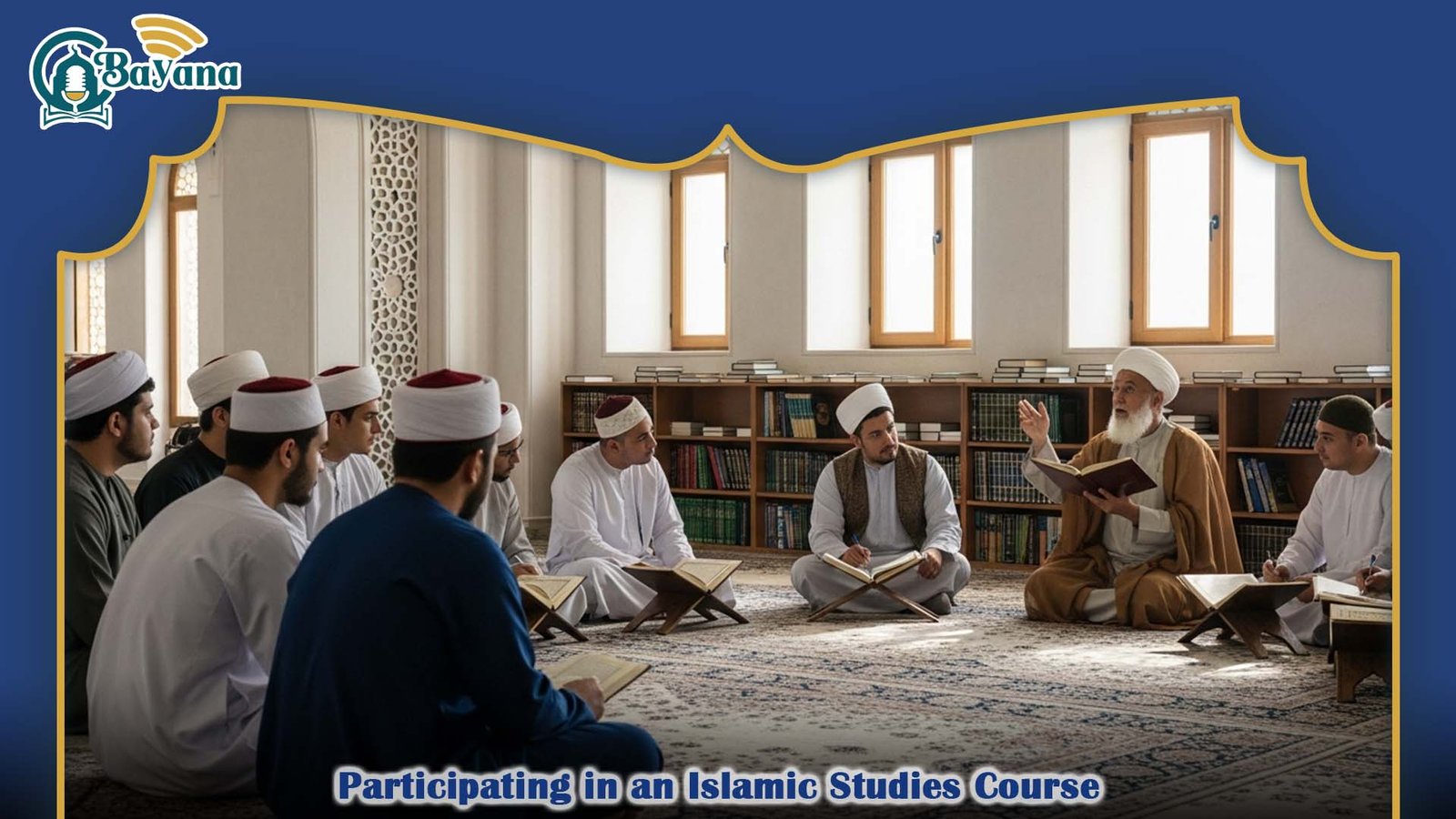
Joining an Islamic studies course provides a structured and effective way to learn about Islam for both beginners and advanced learners. For anyone who wants to understand how to learn Islam step by step, such courses offer a guided approach that covers key aspects of the religion in a systematic and practical manner. By following this approach, students can gradually build a solid foundation of knowledge and practice, which is essential for anyone seeking how to learn Islam step by step.
These courses typically include:
- Understanding the structure of the Quran and its main themes, which helps students grasp the central teachings, the messages of guidance, and how to reflect on its wisdom in daily life. This is an important step in how to learn Islam step by step.
- Studying Hadith, Sunnah, and Fiqh, offering insight into the Prophet Muhammad’s ﷺ sayings, actions, and approvals, as well as practical applications of Islamic law for everyday life, making it easier to follow how to learn Islam step by step.
- Learning Islamic history and cultural practices, giving students a contextual understanding of how Islam developed, its impact on societies, and the relevance of historical events to present-day faith, which supports the process of how to learn Islam step by step.
- Practicing essential rituals, such as Salah (prayer), Sawm (fasting), and other foundational acts of worship, enabling learners to implement what they study in real life, a key part of how to learn Islam step by step.
- Interactive sessions with experienced instructors, allowing participants to ask questions, clarify doubts, and gain personalized guidance, mentorship, and feedback, further enhancing how to learn Islam step by step.
By participating in an Islamic studies course, learning becomes both practical and engaging. It provides a clear, structured pathway for anyone interested in how to learn Islam step by step, helping students gain confidence, deepen their understanding, and develop a strong spiritual and practical connection with their faith.
Frequently Asked Questions
Some readers ask many questions about the topic How to Learn Islam Step by Step. Here are some of those frequently asked questions:
1. What is the best way to start learning Islam step by step?
The best way is to begin with the basics: understanding the Quran, the Five Pillars of Islam, the Six Articles of Faith, and studying the Hadith and Sunnah under guidance.
2. Can beginners learn Islam online?
Yes, online platforms like Bayana Quran Academy provide structured courses, interactive lessons, and personalized guidance for beginners and advanced learners.
3. How long does it take to learn Islam step by step?
It varies depending on the learner’s dedication, practice, and study schedule. Consistent daily learning and applying the teachings helps make steady progress.
4. Should I focus on Quran or Hadith first?
Start with the Quran to understand the core teachings of Islam, then study Hadith and Sunnah to learn how to implement those teachings in daily life.
5. How can I memorize Quran while learning Islam step by step?
Break the Quran into small sections, recite regularly, and combine memorization with understanding its meanings for a deeper connection.
6. Are there courses for children to learn Islam step by step?
Yes, many online academies offer child-friendly programs that teach Quran, prayer, morals, and Islamic history in a structured, engaging way.
7. How do I apply what I learn in daily life?
Practice regular prayer, charity, fasting, good manners, and following the Sunnah, gradually integrating these teachings into your daily routine.
In conclusion, learning Islam step by step becomes achievable and meaningful with Bayana Quran Academy. By studying the Quran, Hadith, Sunnah, Islamic history, and the Five Pillars, learners gain both knowledge and practical guidance.
The academy helps students apply Islamic teachings in daily life, fostering spiritual growth, strong character, and a deeper connection with God.
Whether you are a beginner or seeking advanced understanding, this structured approach makes learning Islam systematic, accessible, and rewarding, providing a comprehensive journey that combines both learning and practice.
Read also:
Learn Quran Online for Beginners – Start Your Journey Today
Best Hifz Quran Classes Online for Kids 2026
Join Quran Classes Near Me – Flexible Timings and Expert Tutors