Follow Us

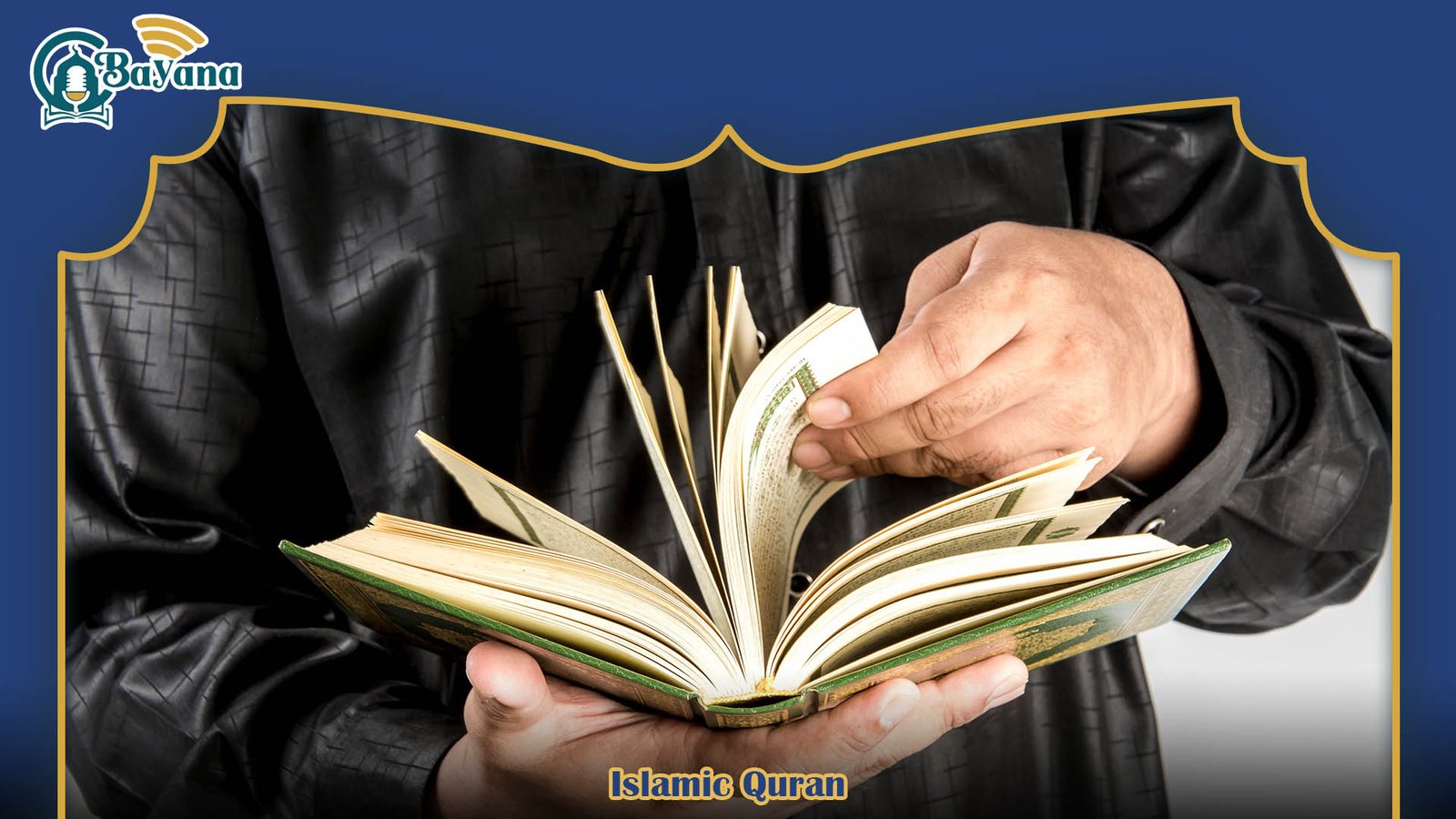
Islamic Quran Studies for All Ages 2025
Islamic Quran is the central religious text of Islam, offering divine guidance, spiritual insight, and a complete moral framework for humanity.
At Bayana Quran, we are dedicated to helping individuals of all backgrounds connect deeply with the Quran’s timeless message. Through expert instruction and a structured, accessible approach, Bayana Quran empowers students to explore the Quran’s meanings, apply its teachings in daily life, and strengthen their relationship with Allah.
The Islamic Quran: Muslims’ Holy Book of Guidance
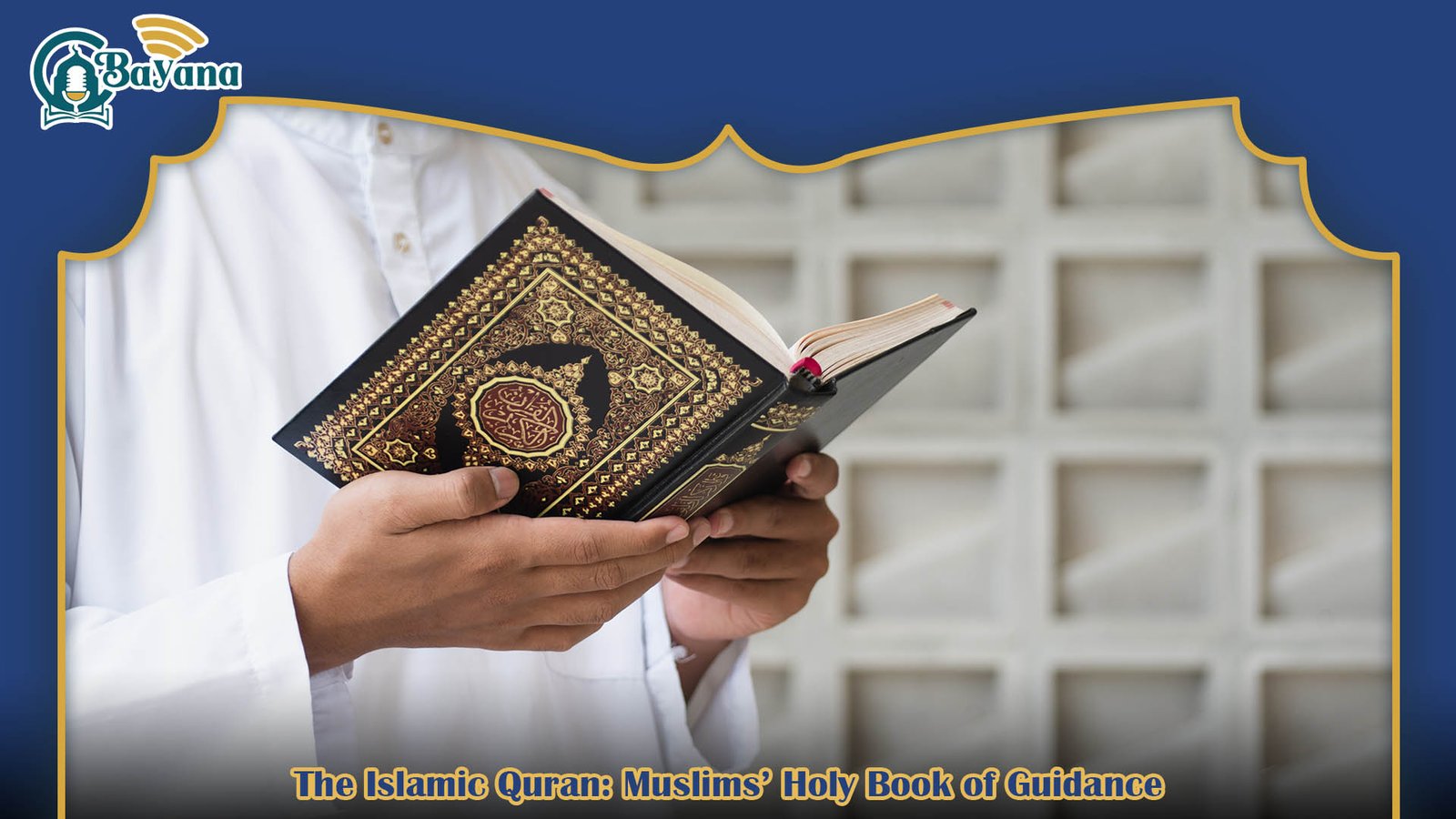
The Islamic Quran is the sacred scripture that Muslims recite and rely upon for guidance in every aspect of their lives. It represents the final and complete revelation from God, conveyed directly through the Angel Gabriel to the last Prophet, Muhammad (peace be upon him), over 1400 years ago.
As the final testament in a long line of divine messages, the Quran confirms and continues the teachings of earlier prophets—such as Noah, Abraham, Moses, David, and Jesus (peace be upon them all)—many of whom also received holy scriptures. Muslims believe that the core message delivered by all these prophets was consistent: to worship the One true God without associating any partners with Him, to avoid sin, and to live a righteous life in pursuit of God’s pleasure.
The Quran, as preserved in its original form, emphasizes accountability in the hereafter, promising paradise to those who follow God’s commands and warning of punishment for those who reject His guidance.
Begin Your Quranic Journey with Bayana Quran
Strengthen your connection with the Holy Quran and deepen your understanding of Islamic teachings through Bayana Quran. With experienced instructors, flexible online classes, and a well-structured curriculum rooted in authentic Islamic principles, you can learn at your own pace with confidence and clarity.
Start your journey today with Bayana Quran and step into a path of spiritual growth, strengthened faith, and lifelong learning.

Impact of the Islamic Quran on Our Daily Lives
When practiced sincerely, the teachings of the Islamic Quran profoundly influence our daily lives by discouraging harmful behaviors such as alcohol consumption, drug use, adultery, gambling, jealousy, greed, and arrogance. Instead, it encourages us to abandon these destructive habits and cultivate qualities like mindfulness, compassion, intellect, respect, and trustworthiness, all while submitting to the commands and decrees of Allah (SWT).
At its core, the Quran is an eternal miracle bestowed upon this Ummah through our beloved Prophet Muhammad (ﷺ). It contains the divine words of Allah (SWT) that are relevant to all humanity. The Quran serves as a guiding compass, offering profound teachings and wisdom to help navigate the complexities and challenges of life. Those who connect with this sacred book deepen their relationship with Allah, receiving His love, mercy, and spiritual growth.
Embracing the teachings of the Quran and regularly reciting its verses lead to a balanced, mindful, and meaningful life. May Allah grant us the understanding of His words and draw us closer to this divine revelation. Ameen. May He open our hearts and minds to uncover the hidden treasures within the Quran. Ameen.
How to Learn to Read the Islamic Quran: 7 Effective Tips
Starting your journey to read the Islamic Quran properly is both a spiritual commitment and a practical skill. With the right approach, even beginners can make steady progress. Here are seven proven tips to help you get started:
1. Learn from a Qualified Ustadh (Teacher)
One of the most effective ways to learn to read the Islamic Quran is through direct instruction from a knowledgeable teacher. A qualified Ustadh will help you:
Master Tajweed: Learn essential rules like Makhraj, Gunnah, Madd, Idgham, and Ikhfa.
Correct Pronunciation: Ensure each Arabic letter is pronounced accurately.
Fluent Recitation: After gaining familiarity, begin reciting short Surahs like Al-Fatiha with proper application of Tajweed.
2. Follow the Noorani Method
Widely used in the Indian subcontinent, the Noorani Method incorporates Qaida (a beginner’s guide to Arabic letters and Tajweed) and Ampara (a collection of short Surahs).
This method simplifies the process and is particularly effective for those new to the Islamic Quran.
3. Enroll in Online Basic Quran Courses
There are many reputable online platforms offering beginner-friendly courses in Islamic Quran recitation. These courses provide structured lessons, often with interactive elements and qualified tutors, allowing you to learn at your own pace.
4. Use a Quran App
Modern apps are excellent tools to support your Quranic learning. Many offer features like:
- Arabic text with transliteration
- Word-by-word translation
- Audio recitations
- Tajweed guidance
Look for apps that are designed specifically to help you read the Islamic Quran effectively.
5. Listen to Authentic Recitations
The word “Quran” itself means recitation. Listening to expert reciters (Qaris) helps develop your ear for accurate pronunciation and rhythm.
As the Prophet ﷺ said:
“Every year Jibril (Gabriel) used to revise the Qur’an with me once, but this year he has done so twice.”
— [Sahih al-Bukhari: 3623]
Listening regularly supports your memorization and helps reinforce correct articulation.
6. Use a Color-Coded (Tajweed) Quran
Color-coded Qurans highlight different Tajweed rules visually, helping you recognize where to apply Gunnah, Ikhfa, and other phonetic details. This is especially helpful for beginners and even intermediate readers of the Islamic Quran.
7. Start with Transliteration (If Needed)
For complete beginners who cannot yet read Arabic, transliteration can be a helpful first step. Many apps and printed Qurans offer high-quality transliterations.
However, remember: transliteration is a temporary aid. Your goal should always be to read the Islamic Quran in its original Arabic form.
Tips for Reflecting Upon the Islamic Quran
At Bayana Quran, we believe that true connection with the Islamic Quran begins with deep reflection. Our courses are designed not just to teach recitation, but to help students internalize its meanings, feel its impact, and live by its guidance in daily life.
Recognize the Divine Source
When reciting the Islamic Quran, always be mindful of the origin of its words — they are not from any human, but the direct speech of Allah ﷻ, the Lord of the worlds. Imām al-Ghazālī (رحمه الله) advised readers to focus on the majesty of the One who speaks through these verses. Sulaymān ibn Maymūn (رحمه الله) encapsulated this beautifully: “O soul, recite the Quran as though you hear it directly from Allah.” This mindset transforms recitation from mere reading into a spiritually uplifting experience.
Make the Message Personal
Ibn al-Qayyim (رحمه الله) emphasized the importance of engaging with the Quran as if every verse is directed at you personally. Each command, story, and promise is relevant to your life. Imām al-Ghazālī also taught that believers should feel they are the primary audience of the Quran. When you internalize the Quran’s words, it becomes a source of personal guidance through your unique challenges and situations.
A pure heart is key to this experience. The Quran deeply influences a heart free from spiritual diseases like pride, envy, and hypocrisy. Al-Ḥasan al-Baṣrī (رحمه الله) once said the early Muslims treated the Quran as a personal letter from their Lord, reflecting deeply on its meaning.
Visualize the Meanings
Bring the verses to life by visualizing their meanings. For example, when reading descriptions of Hellfire or Paradise, try to mentally picture what is being described. Repeating these verses reinforces their emotional and spiritual impact, allowing the meanings to settle in your heart.
Let the Emotions Flow
The Quran was revealed to strengthen our faith and hearts. Allah ﷻ says: “And when His verses are recited to them, it increases them in faith.” (8:2)
Let verses about Jannah (Paradise) fill you with hope, and verses about Jahannam (Hellfire) awaken fear and self-reflection. Repeat such āyāt until they move you emotionally. This emotional connection is what leads many to tears during Tarāwīḥ or personal recitation — a sign of a heart truly engaged.
Al-Ḥasan al-Baṣrī warned against racing through surahs without allowing the words to impact the heart. Mālik ibn Dīnār added that true belief in the Quran breaks the heart open with humility and awe.
Engage with the Verses
Follow the example of the Prophet ﷺ in your interaction with the Quran. When you encounter verses of mercy, pause and ask Allah for His mercy. When reading about punishment, seek His protection. If the verse includes a duʿā’, stop and make it.
Companions like ʿAwf ibn Mālik and ʿĀ’ishah (رضي الله عنهما) would interact with verses during prayer, pausing to supplicate. ʿUmar ibn al-Khaṭṭāb (رضي الله عنه) was known to weep when hearing certain āyāt, showing the depth of spiritual impact when we engage sincerely with the Quran.
Study the Quran’s Meaning
To deepen your reflection, go beyond recitation — study the Islamic Quran. Learn its meanings, explore tafsīr, attend classes, and listen to trusted scholars. If possible, begin learning Arabic to connect directly with the original text. The more you understand, the more powerful and transformative your recitation becomes.
Let’s Learn Islamic Quran: Mastering 5 Fundamental Themes Throughout the Holy Book
Asalamu Alaikum! Join us at Bayana Quran and begin your journey to learn the Islamic Quran together, transforming your life for the better. The Quran, as the sacred scripture of Muslims, remains an eternal guide for humanity. Its messages resonate across ages and cultures, making it essential to deepen our understanding through structured Islamic Quran lessons.
This article guides us to uncover the core teachings of the Islamic Quran, strengthening our faith in Allah, improving our connection with Him, and providing solutions to life’s challenges. Through this exploration, we aspire to live enriched by the divine wisdom contained in the Quran.
Our Islamic Quran online courses allow you to dive into five key themes that form the foundation of Islamic teachings: Tawheed (Oneness of God), Risalah (Prophethood), Akhirah (The Hereafter), Adl and Ihsan (Justice and Compassion), and Ibadah (Worship). These topics reveal how Islamic Quran teaching shapes not only our faith but also our relationship with the Divine and with fellow human beings.
Tawheed (Oneness of God)
Central to the Islamic Quran is Tawheed — the belief in the oneness of Allah. This principle is fundamental in all Islamic Quran lessons, emphasizing that Allah alone is worthy of worship and obedience. The Quran elaborates on Allah’s majestic attributes of mercy, justice, and power, guiding worship and daily conduct.
Risalah (Prophethood)
Bayana Quran highlights the importance of prophets in Islam, from Adam to Muhammad (peace be upon them all), whose stories embody faith and obedience. Learning about Risalah in Islamic Quran teaching strengthens our understanding of divine guidance through these messengers.
Akhirah (The Hereafter)
The Quran discusses life after death, judgment, and the eternal rewards or consequences awaiting humanity. Our Islamic Quran online courses emphasize preparing for the hereafter through faith and righteous deeds, as taught clearly in the Islamic holy Quran.
Adl and Ihsan (Justice and Compassion)
Justice and compassion are repeatedly stressed in the Islamic Quran teaching. Muslims are instructed to embody fairness and mercy in all interactions, reflecting Allah’s own attributes.
Ibadah (Worship)
Worship practices such as prayer, fasting, charity, and pilgrimage are central to the Muslim’s relationship with Allah, as explained in the Islamic Quran lessons. These acts deepen spiritual connection and purify the heart.
Read more: learn quranic arabic online
Frequently Asked Questions About the Islamic Quran
Understanding the Islamic Quran is essential for deepening one’s faith and living a meaningful life. Below are some common questions that many seek answers to when beginning their journey with the Quran.
1. What is the significance of the Islamic Quran in a Muslim’s daily life?
The Islamic Quran serves as a comprehensive guide for Muslims, shaping their beliefs, values, and behaviors. It provides spiritual direction, moral guidance, and practical rules that influence daily decisions, helping believers lead a life pleasing to Allah.
2. How can I learn to read and understand the Islamic Quran properly?
Learning to read the Islamic Quran properly involves studying Tajweed (rules of Quranic recitation) with a qualified teacher or through trusted online courses. Understanding its meaning can be enhanced by studying Quranic Arabic, reading tafsir (exegesis), and reflecting on the verses.
3. What are the main themes covered in the Islamic Quran and why are they important?
The Islamic Quran covers key themes such as Tawheed (Oneness of God), Risalah (Prophethood), Akhirah (Hereafter), Adl and Ihsan (Justice and Compassion), and Ibadah (Worship). These themes form the foundation of Islamic belief and practice, guiding Muslims in their faith and interactions with others.
In conclusion, the Islamic Quran serves not only as a sacred scripture but as a complete guide for life—offering wisdom, clarity, and purpose to those who seek it sincerely. Through its timeless teachings, believers find spiritual growth, moral direction, and a deeper connection with Allah. Whether you’re learning to recite it, studying its meanings, or reflecting on its messages, the Islamic Quran remains a source of light in every phase of life. May we continue to honor its words, apply its guidance, and strive to embody its values in everything we do.
Read also: learn to read quran