Follow Us

Islamic Studies U.K: How to Start Your Educational Journey
Islamic Studies U.K is a rich and comprehensive field that explores the beliefs, practices, history, and culture of Islam. It provides valuable insights into the teachings of the Quran, the life of Prophet Muhammad (PBUH), and the development of Islamic civilization across centuries.
Through Bayana Quran, learners can access authentic resources and guidance to deepen their understanding of moral values, spirituality, and the contributions of Muslims to various fields such as science, art, and literature. This field not only strengthens one’s connection to faith but also fosters mutual respect and cultural awareness in our diverse world.
What is Islamic studies U.K?
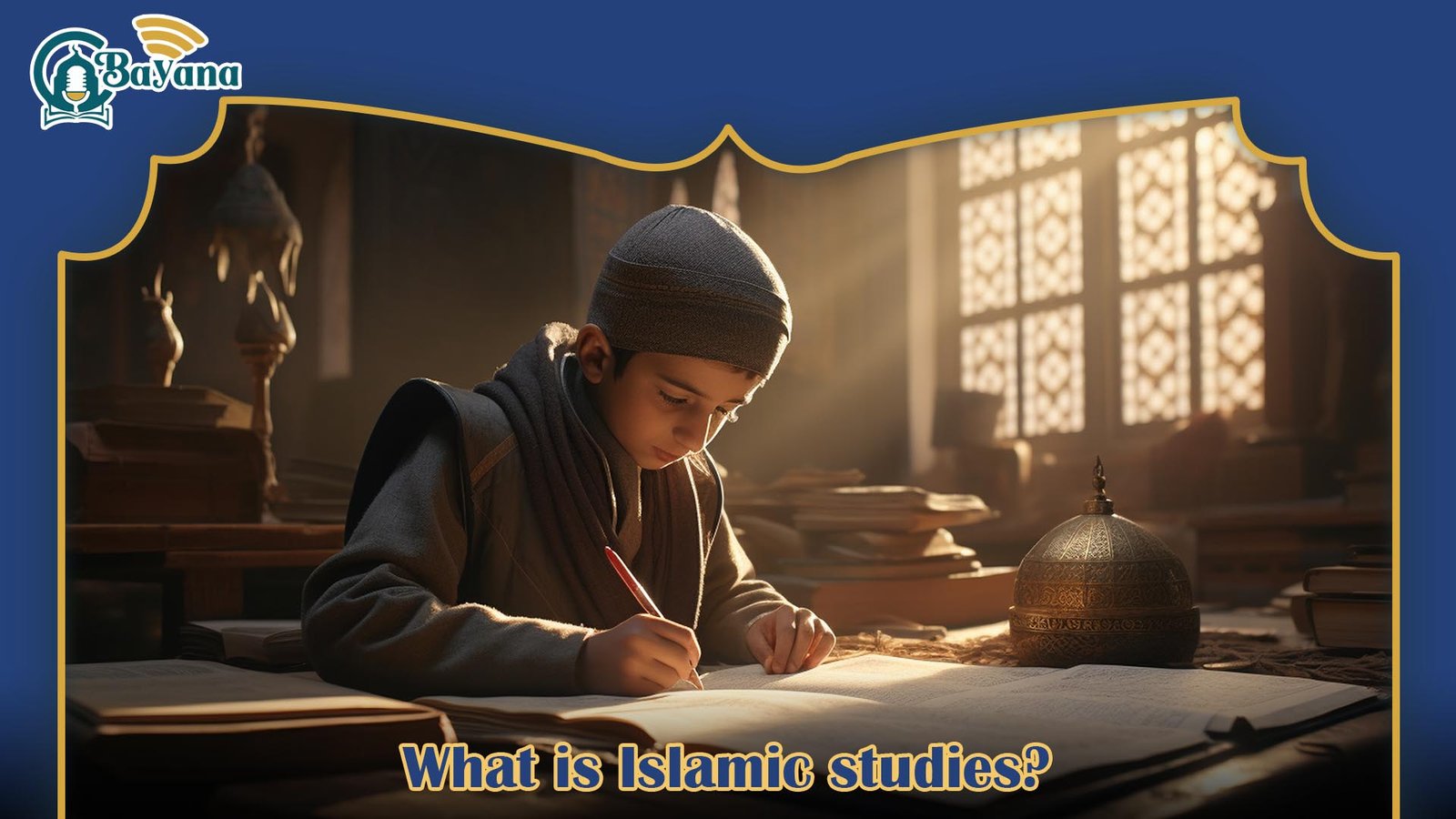
Islam spans from Morocco to Indonesia, across Africa, and into Europe and America, and is the fastest-growing religion globally.
In the West, “Islamic Studies” explores the history, achievements, and future of the Islamic world.
Within a century of Prophet Muhammad’s death, Arabs built the largest empire from France to China, united by Islam and Arabic.
In Baghdad, the Abbasids founded the House of Wisdom, preserving and translating knowledge that later fueled Europe’s Renaissance.
Muslim Spain excelled in urban planning and agriculture, with cities like Cordoba far ahead of much of Europe.
Islamic Studies U.K covers the Qur’an, Hadith, Sharia, Sufism, political thought, literature, women’s roles, and Islamic art.
It examines history from early conquests and the Crusades to the Ottoman, Safavid, and Mughal empires, and modern challenges.
Islamic heritage enriched European languages, science, and astronomy, making deeper understanding of Muslims and their civilization essential.
Embark on Your Quranic Arabic Journey with Bayana Academy
Looking to strengthen your connection with the Quran? Bayana Academy offers expertly developed courses that guide you through the beauty and depth of Quranic Arabic. Whether you’re a beginner or seeking to build on existing knowledge, our experienced instructors, interactive lessons, and flexible online learning environment make your journey both accessible and rewarding.
Unlock the profound meanings of the Quran in its original language.
Join Bayana Academy today and start your transformative spiritual and linguistic journey.

Islamic history
The digital timeline titled The History of Islamic Studies at Harvard was developed by the Prince Alwaleed Bin Talal Islamic Studies Program at Harvard University. Its purpose is to trace the evolution of Islamic studies at Harvard—the oldest institution of higher education in the United States—from the university’s founding in the 17th century up to the present day. Although this timeline does not cover every aspect exhaustively, it aims to highlight some of the key individuals, milestones, and institutions that have contributed to shaping Islamic studies into the global and interdisciplinary field recognized today.
Former Harvard faculty members, directors of the Alwaleed Islamic Studies Program, and professors holding endowed chairs are featured individually, while the final section provides a list of current faculty whose research focuses on Islam and Muslim societies. This timeline is intended to be a dynamic and ongoing project, updated regularly to reflect the anticipated growth and further development of Islamic studies at Harvard.
Study Islam for professional development
Islamic Studies is pursued not only by future educators but also by students seeking personal enrichment or to complement other fields.
Many combine it with another degree, using it for self-development alongside professional studies.
Working professionals, such as lawyers, doctors, and psychologists, benefit from cultural understanding to serve Muslim clients and patients better.
The program attracts a diverse range of students, including corporate employees and stay-at-home mothers.
It can lead to careers in advocacy, social justice, community work, international relations, government service, and chaplaincy.
Students report enhanced professional goals, stronger values, and leadership skills through the program’s focus on learning and growth.
Why do we study Islam?
Become a teacher in an Islamic school
An undergraduate degree in Islamic Studies provides an ideal foundation for pursuing a master’s degree in teaching. By starting with Charles Sturt University’s Bachelor of Islamic Studies and then progressing to either the Master of Teaching (Primary) or Master of Teaching (Secondary), students have the opportunity to earn two qualifications within four years through an intensive study program.
“Many students aspire to teach Islamic Studies and secure employment in Islamic schools. Graduates from our program have gone on to become religion and values educators or Arabic teachers after completing their master’s degree. Currently, Islamic schools are primarily located in Sydney and Melbourne, although they exist in most Australian states.”
“If students undertake their bachelor’s degree intensively across three sessions per year, they can complete it in two years, followed by two years for the master’s in teaching. This allows them to obtain both degrees within a four-year timeframe. These qualifications are highly valuable—both for expanding their knowledge and for enhancing their professional credentials.”
“The Bachelor of Islamic Studies is structured to allow students to select four electives from other disciplines. This flexibility means that teaching specializations are not confined solely to language or religious studies. For instance, some students choose electives in English, business studies, or mathematics. If a student selects four mathematics electives, they can then apply this knowledge in their teaching degree to specialize in that subject area.”
Explore Where Islamic Studies Can Take You
If you wish to deepen your knowledge of Islamic faith and culture for personal growth or professional advancement, our Islamic and Arabic Studies courses offer the perfect opportunity. Whether you are seeking to enrich your spiritual journey, improve your intercultural communication skills, or enhance your career prospects, these courses provide comprehensive insights into one of the world’s most influential religions and cultures.
By enrolling, you’ll gain a deeper understanding of Islamic traditions, values, and history, equipping you to engage meaningfully with Muslim communities both locally and globally. This knowledge not only broadens your worldview but also empowers you to make a positive and lasting impact in various professional fields such as education, healthcare, social services, international relations, and more.
Join us and embark on a transformative learning experience that will strengthen your appreciation of Islam and enable you to contribute thoughtfully and respectfully to a diverse and interconnected world.
Learn more: quran reading with tajweed
Guide on How to Start Learning Islam
Learning Islam involves many practices and dimensions that are essential for gaining a comprehensive understanding of the faith. From studying the Qur’an and Hadith to exploring Islamic studies, there are multiple aspects to explore. Here is a practical guide to help you begin your journey in learning about Islam:
1-Familiarize Yourself with Core Beliefs and Teachings
Begin by understanding the foundational principles of Islam, such as the oneness of God (Tawhid), the prophethood of Muhammad (peace be upon him), and the concept of the afterlife. Learn about the Five Pillars of Islam — Shahada (faith), Salah (prayer), Zakat (charity), Sawm (fasting), and Hajj (pilgrimage). These pillars form the core framework of a Muslim’s faith and daily practice. A solid grasp of these will help you appreciate the essence of Islam and its spiritual goals.
2-Read the Quran
The Qur’an is the primary source of guidance for Muslims. Start reading it with the help of reliable translations and explanations to understand its messages on theology, morality, and human conduct. Many translations include footnotes that clarify difficult verses. Listening to Qur’anic recitations can also deepen your connection and improve pronunciation. Remember, understanding the Qur’an is a gradual process that enriches your knowledge and faith over time.
3-Learn the Basics of Prayer (Salah:
Prayer is the most important act of worship in Islam and performed five times daily. Learn the physical positions (standing, bowing, prostrating) and the Arabic recitations involved. Using online tutorials, videos, or mobile apps can be very helpful to practice and perfect your Salah. Understanding the spiritual significance of prayer will also encourage regularity and devotion.
4-Attend Islamic Classes and Lectures
Joining classes or listening to lectures led by knowledgeable and trusted scholars can provide structure to your learning. These sessions often allow you to ask questions and engage in discussions, which can clarify doubts and deepen your understanding. Many mosques, Islamic centers, and online platforms offer courses tailored for beginners and advanced learners alike.
5-Study Hadith
Hadith literature documents the sayings, actions, and tacit approvals of the Prophet Muhammad (peace be upon him). Studying Hadith helps you understand how Islamic principles are applied practically. Learning about the authenticity and classification of Hadith will give you insight into their reliability and importance. This knowledge is vital for appreciating the Sunnah (Prophetic tradition) alongside the Qur’an.
6-Learn Arabic (If Possible)
While learning Arabic is not obligatory, it greatly enhances your ability to comprehend Islamic texts in their original language, preserving nuance and depth. Even a basic understanding of Arabic grammar and vocabulary can help with reading prayers, Qur’anic verses, and classical texts. Arabic also opens doors to a rich cultural and scholarly tradition that spans over a millennium.
7-Explore Islamic Studies
Beyond the basics, Islamic studies include subjects like Fiqh (Islamic law), Aqeedah (creed), Sīrah (Prophet’s biography), and Islamic history. These disciplines provide deeper insight into the religion’s development, legal rulings, and the life of the Prophet. Studying these areas helps build a comprehensive and balanced view of Islam as a faith and civilization.
8-Engage with Muslim Communities
Connecting with Muslim communities can offer invaluable support, practical advice, and real-life examples of living Islam. Participation in community events, study groups, and social gatherings creates opportunities for learning and personal growth. Being part of a community can also help reinforce motivation and provide a sense of belonging.
9-Incorporate Islamic Ethics into Your Life
Islam emphasizes virtues such as honesty, kindness, patience, humility, and compassion. Actively practicing these ethics in your daily interactions is a way to embody your learning. Reflecting on Islamic morals and striving to improve your character align your knowledge with meaningful action, which is the ultimate goal of studying Islam.
Remember, exploring Islam is a lifelong journey. It’s important to progress at your own pace, remain curious, ask questions, and seek knowledge consistently from trustworthy sources. This approach will help you build a meaningful and well-rounded understanding of this rich and diverse faith.
Islamic studies learning benefits
Islamic studies offer a wide array of benefits for learners. Gaining a deep understanding of the teachings of the Quran and the Hadith provides valuable insights into moral and ethical principles, guiding individuals toward a more conscientious and compassionate way of life. Additionally, exploring Islamic history and jurisprudence not only enriches one’s knowledge of the religion’s development and evolution but also nurtures critical thinking and analytical skills.
Another significant benefit of studying Islamic studies is learning the Arabic language, which is essential to fully engage with Islamic texts. Mastery of Arabic enhances linguistic abilities and opens the door to a rich heritage of literature and culture.
Engaging with Islamic studies promotes tolerance, empathy, and a broader perspective on global issues, making it a deeply enriching and meaningful field of study.
While most Muslims agree on the importance of Islamic studies, interpretations of what it encompasses can vary. For some, it focuses on studying the Quran and Hadith (the sayings and traditions of Prophet Muhammad). Others may emphasize the history and culture of Islam, or the study of Arabic to access religious texts in their original language.
There are numerous compelling reasons to deepen one’s knowledge of Islam and its teachings. For Muslims, it helps in better understanding their faith and ensuring they adhere to its principles correctly. It also equips them to address misunderstandings or criticism about Islam. Furthermore, a deeper comprehension of Islam fosters greater tolerance and understanding toward others—qualities that are increasingly vital in today’s diverse and interconnected world.
What Is Fiqh in Islam?
Fiqh is a fundamental concept in Islamic law that involves the deep understanding and interpretation of divine rulings derived from the Qur’an and Sunnah. It plays a vital role in guiding Muslims on how to practice their faith correctly in everyday life.
Linguistic Meaning of Fiqh
The term fiqh originates from the Arabic language and literally means “understanding” or “deep comprehension.” A faqih is a person endowed with knowledge and insight. The essence of fiqh is to grasp the meaning and wisdom behind matters, particularly those relating to religion.
Fiqh in the Qur’an and Sunnah
In the Qur’an, the term fiqh is used to denote a profound understanding, especially of religious matters. It often refers to the comprehension of someone else’s words, and in the context of Islam, it specifically pertains to understanding the words of Allah and His Messenger.
The Prophet Muhammad (peace and blessings be upon him) said:
“Whomever Allah wants good for, He will grant him fiqh (deep understanding) of the religion.”
— (Bukhari and others)
Scholarly Definitions and the Evolution of Fiqh
Historically, early Islamic scholars employed fiqh to signify the knowledge and understanding of the comprehensive guidance, rulings, and way of life prescribed by Allah. Essentially, fiqh was synonymous with grasping Allah’s Shari’ah.
For example, Imam Abu Hanifa authored a book on Islamic creed (‘Aqidah) entitled Al-Fiqh Al-Akbar (“The Great Fiqh”), underscoring the broad scope initially attributed to the term.
Over time, however, scholars refined the definition, restricting fiqh to the understanding and knowledge of Islamic rulings pertaining exclusively to human actions, excluding matters of belief and morality. This refined definition is encapsulated by the notable statement:
“Fiqh is the knowledge of the Shari’ah rulings related to actions derived from their detailed sources.”
— (Mohamed Abu Zahrah, Usul Al-Fiqh)
To clarify, the Shari’ah represents Allah’s divine guidance as revealed in the Qur’an and the Sunnah (the traditions of the Prophet). Meanwhile, fiqh is the human understanding and interpretation of these rulings after rigorous scholarly effort.
The Role of Ijtihad in Developing Fiqh
Scholars derive fiqh rulings through a methodological process known as ijtihad, which involves exerting maximum effort to extract legal rulings from the primary sources of Shari’ah.
Since scholars are human, they may err, but they are rewarded for their sincere efforts. The Prophet (peace be upon him) said:
“Whoever makes ijtihad and arrives at a wrong ruling will be rewarded; whoever makes ijtihad and arrives at the correct ruling will be rewarded twice.”
— (Bukhari and others)
Learn also: how to read quran in arabic correctly
The Honor and Responsibility of Fiqh Scholars
Fiqh is one of the most honorable branches of knowledge in Islam. It embodies the understanding of Allah’s guidance essential for success in this life and the hereafter. Those who dedicate themselves to developing and teaching this knowledge hold a distinguished and respected position in the Muslim community.
Ibn Al-Qayyim described the scholars of fiqh as “the signatories on behalf of the Lord of the worlds,” emphasizing both their esteemed role and the immense responsibility they bear (A’lam Al-Mowaqin).
Given the immense reward and the mercy granted to those who take on this responsibility—even in cases of honest error—it is a role that commands great respect and humility.
What are the basic Islamic Studies?
Islamic Studies is a multidisciplinary field that encompasses a wide range of topics related to the beliefs, practices, and culture of Muslims. To truly understand Islam, it is essential to study its fundamental teachings and practices, which form the foundation of the religion. Some of the key areas covered in basic Islamic Studies include:
The Five Pillars of Islam: These are the core acts of worship that form the basis of a Muslim’s faith and practice. They consist of the Shahada (declaration of faith), Salah (ritual prayer), Zakat (obligatory charity), Sawm (fasting during Ramadan), and Hajj (pilgrimage to Mecca for those who are able).
The Qur’an: Students beginning their study of Islam focus on understanding the Qur’an by exploring its history, compilation, themes, teachings, and the significance of its verses in shaping Muslim beliefs and practices.
The Hadith: The term Hadith refers to the sayings, actions, and approvals of the Prophet Muhammad (peace be upon him). Basic Islamic Studies typically include learning about the compilation, classification, and authentication of Hadith collections, as well as their role in interpreting Islamic teachings.
Fiqh: Islamic jurisprudence, or Fiqh, involves the practical application of Islamic teachings in various aspects of life. Introductory Islamic Studies provide an overview of the principles of Fiqh, the origins of Islamic law, and the major schools of jurisprudence.
Sīrah: This refers to the biography of the Prophet Muhammad (peace be upon him), detailing his life, teachings, actions, and the historical events of his time. Sīrah is a vital part of Islamic Studies, offering valuable insights into the Prophet’s character, mission, and the development of Islam as a faith.
Islamic studies offer a profound and enriching journey into understanding one of the world’s major religions, its teachings, history, and cultural impact. By engaging with this field, learners not only gain knowledge but also develop a deeper appreciation for the diversity and complexity of Muslim beliefs and practices.
Whether pursued for personal growth, academic interest, or professional development, Islamic studies provide valuable insights that promote tolerance, empathy, and global awareness. Embracing this discipline encourages continuous learning and fosters meaningful connections across cultures, contributing to a more informed and harmonious world. For those interested in beginning or deepening their study, Bayana Quran offers excellent resources and guidance to support your journey in Islamic studies.
Read also: learn tajweed online